


While I don’t have a strong loyalty to any particular airline, I’ve cherished my Southwest Rapid Rewards® Priority Credit Card (see rates and fees) for several years.
The $75 annual flight credit and the 7,500 anniversary points bonus (valued at $101 based on our August 2025 estimates) easily justified the annual fee, even for a casual Southwest flyer. Despite some significant changes within the airline earlier this year, I maintained my card.
However, the recent credit card overhaul from Southwest has pushed me to my limit.
Here’s why I’m planning to cancel my Southwest card before the new annual fee takes effect, along with the alternatives I’m considering.
Reasons for Cancelling My Southwest Card
The annual fee for the Priority card is set to rise over 50%, from $149 to $229. Additionally, the ever-useful $75 flight credit—one of the card’s top perks—is being eliminated with no substitute. This change takes effect after December 31.

This premium card now lacks even a once-per-year promotional flight discount, a feature found in the lower-fee Southwest Rapid Rewards® Premier Credit Card and Southwest Rapid Rewards® Plus Credit Card (see rates and fees).
The info for the Southwest Rapid Rewards Premier Credit Card has been independently gathered by The Points Guy and hasn’t been reviewed by the card issuer.
What the Revamped Priority Card Offers
The standout feature of the card’s redesign seems to be the ability to upgrade to Southwest’s extra-legroom seats (set to launch in 2026) for myself and up to eight companions, available only within 48 hours of departure. This perk could be appealing for those traveling with a larger family, but since I typically fly just with my partner, paying $229 annually for this doesn’t feel justified.
Moreover, given that Southwest’s network primarily serves the U.S. and Caribbean, extra legroom isn’t as beneficial compared to, for example, a transatlantic flight.

Stay informed with the Flying Frugal Daily newsletter
Join over 700,000 readers for the latest news, guides, and exclusive deals.
Another new feature allows Priority cardholders to earn 2,500 tier qualifying points (up from 1,500) for every $5,000 spent. However, given my limited flying with Southwest, achieving status is unlikely.
The updated earning structure—offering 4 points per dollar for eligible Southwest purchases (up from 3 points) and 2 points per dollar at gas stations and restaurants (up from 1 point)—isn’t appealing to me.
Since I use other cards that provide similar or better rewards on gas and dining, I primarily reserve my Priority card for the occasional Southwest ticket, making this change seem insignificant.
Thus, I plan to cancel my card before the new annual fee appears on my account next spring.
It’s clear that Southwest aims to align its offerings with larger airlines, but they still have room for improvement. In the future, I might consider reapplying for a Southwest card, particularly if they strengthen partnerships and introduce more international routes.
In the meantime, here are the cards I’m exploring to replace my cherished Southwest card.
Related: Are airline credit cards still worth it?
United Explorer Card
With Denver International Airport (DEN) as my home base and a United Airlines hub, a United cobranded card ranks high on my list.
The United℠ Explorer Card (see rates and fees) mirrors the Southwest Priority, with a $150 annual fee ($0 the first year) that includes a free checked bag for both the cardholder and a companion.
This card would enhance my United MileagePlus balance with a 60,000-mile welcome bonus (after spending $3,000 in the first three months), plus an additional 10,000 miles for adding an authorized user within that timeframe.
All together, that’s approximately $910 worth of miles based on our August 2025 valuations.

As I frequently book short hotel stays, I plan to take advantage of the card’s available $100 in credits for prepaid hotel bookings through United Hotels, which would offset the annual fee. Additionally, I could utilize the two annual United Club lounge passes.
However, I find the remaining “coupon-book” style perks—such as credits for ride-hailing services (which require yearly opt-in), rental cars, and services like JSX and Instacart until December 31, 2027—not particularly useful for my needs.
Given that my husband already carries the United Quest℠ Card (see rates and fees) and we fly United frequently, I’m unsure if having a second card is worth the annual fee.
Related: 4 reasons your family should consider a United credit card
Delta SkyMiles Gold American Express Card
The Delta SkyMiles® Gold American Express Card serves as Delta’s equivalent to the United Explorer Card, featuring a $150 annual fee (waived the first year, see rates and fees) and a welcome bonus of 50,000 miles after spending $2,000 in the first six months.
Though Delta’s award rates aren’t stellar, this card offers access to a 15% discount on redemptions and the Pay with Miles feature to maximize the value of my miles.
Additionally, I hold the American Express® Gold Card, which allows me to transfer Membership Rewards points to SkyMiles at a 1:1 ratio, making this card potentially advantageous.

Similar to the Explorer card, the SkyMiles Gold provides a free checked bag and offers up to $100 in statement credits for Delta Stays prepaid hotel bookings.
The earning rates (2 miles per dollar at Delta, restaurants worldwide, and U.S. supermarkets; 1 mile per dollar on all other purchases) are modest, but the perks make this card a worthwhile option in the long run.
My only concern is Delta’s limited presence at DEN; I’ll need to research flight options before making a decision.
Related: 5 must-know facts about Delta SkyMiles
Aeroplan Credit Card
I’m also considering international options, specifically Air Canada’s Aeroplan® Credit Card (see rates and fees).
One major advantage is the ability to transfer all my currencies to Air Canada Aeroplan at a 1:1 ratio, including American Express Membership Rewards points, Chase Ultimate Rewards points, and Capital One miles.
Additionally, since Air Canada partners with United, there should be ample award flight availability from my home airport.
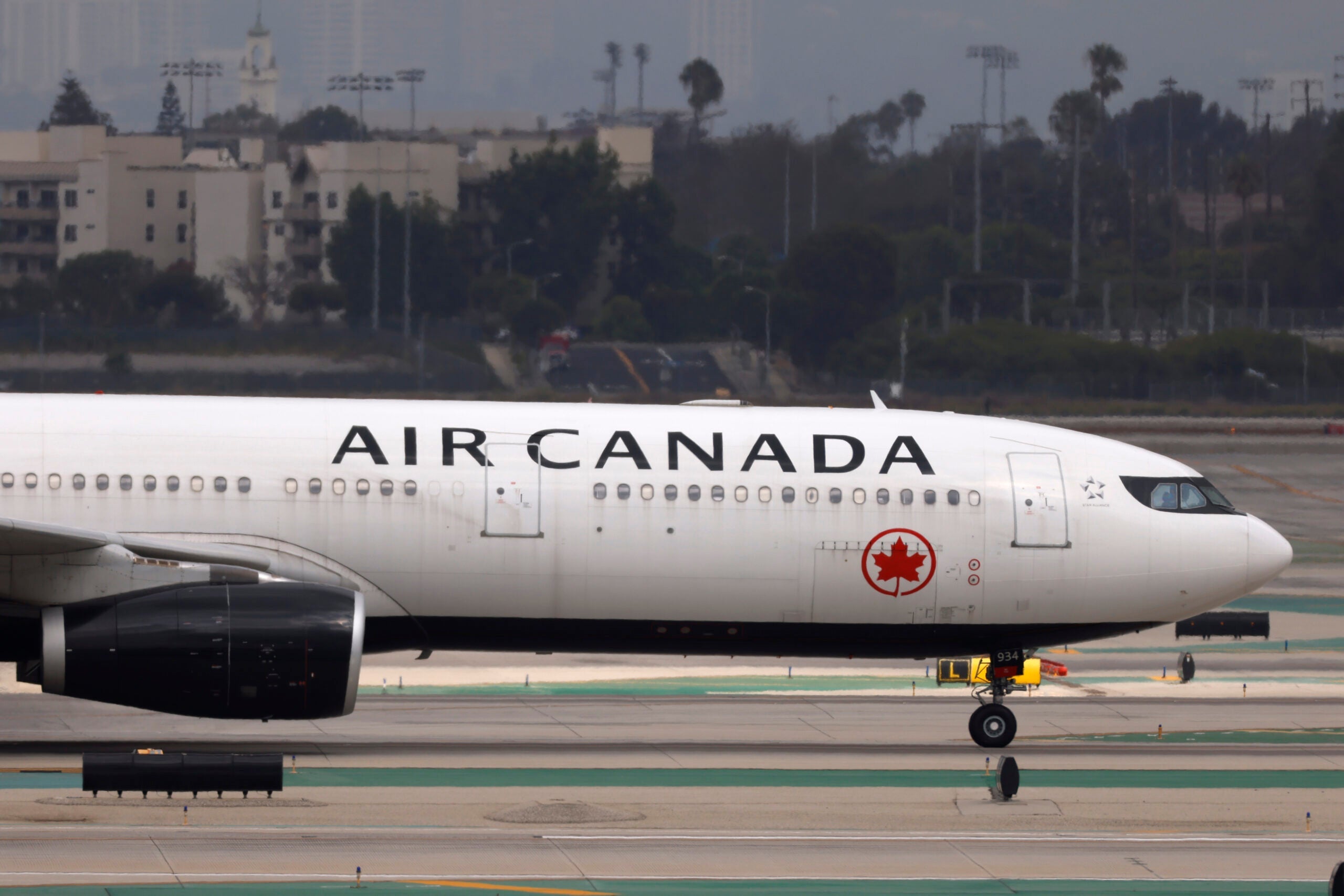
This card offers an attractive 75,000-point welcome bonus after spending $4,000 within the first three months, along with ongoing perks that could enhance my travel experience for years.
For a $95 annual fee, I’d gain discounts on award flights and a free checked bag for myself and up to eight companions.
Plus, I’d be granted temporary Aeroplan 25K status (Star Alliance Silver elite status) for the year I open the card and the following year. If I choose to apply for the Aeroplan card, I’ll aim for early 2026 to make the most of my temporary status.
Related: Important info for international travelers about Air Canada and the Chase Aeroplan Card
Conclusion
The revamped Rapid Rewards credit card may appeal to Southwest loyalists, but it has fallen flat for this casual traveler.
Fortunately, there are numerous alternatives with similar perks and reasonable annual fees available.
If you’re in the same boat, check out our guides on the best airline credit cards and the best options for achieving elite status. Remember to consider your home airport, credit card transfer partners, and upcoming travel plans as you make your decision.
For rates and fees of the Delta SkyMiles Gold, click here.