

This summer, American Airlines’ top executive had pointed remarks regarding a competitor’s use of artificial intelligence for flight pricing. Now, the airline is exploring its own AI applications, but insists its goal is to save time rather than allowing AI to dictate customer pricing.
During a recent industry conference, Steve Johnson, American’s vice chair and chief strategy officer, outlined several potential AI uses for the airline, particularly in relation to customer flight fare visibility.
“We file countless fares three times daily, and they need to be competitive in a constantly changing environment. AI will assist us in achieving that,” Johnson stated at the Morgan Stanley Laguna Conference held in California.
These comments followed a critical stance by American CEO Robert Isom regarding Delta Air Lines’ AI pricing strategies. In July, Delta announced its use of AI to set prices for about 3% of its domestic flights, sparking backlash from lawmakers concerned about the use of personal data for targeted pricing, which Delta later denied.
Isom expressed his disapproval during American’s July 24 earnings call: “I don’t think it’s appropriate. This is not about bait and switch or trickery, and it’s certainly not something we will do at American.”
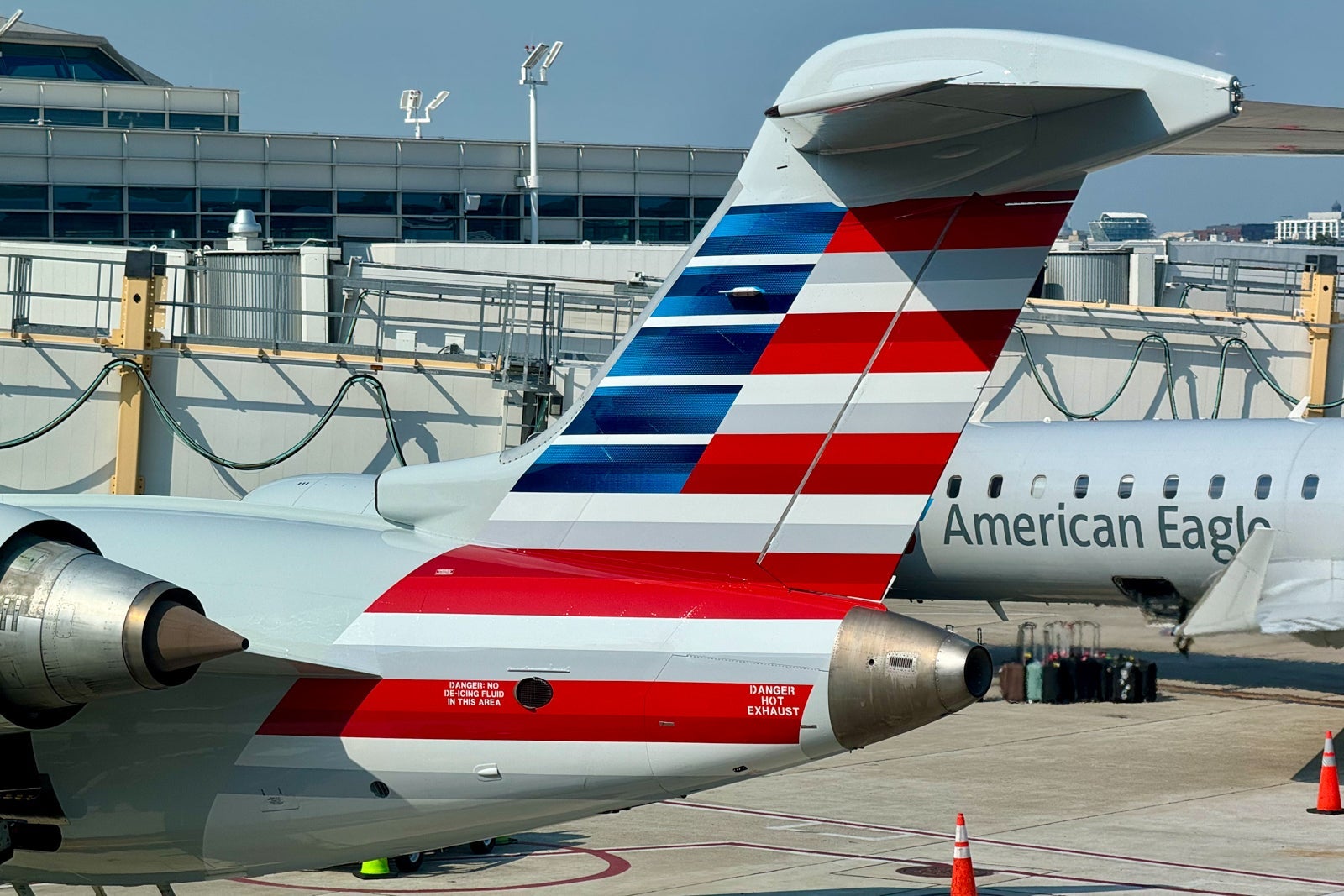
American Airlines has acknowledged its interest in AI tools for revenue management—the critical systems used to determine ticket prices and optimize plane occupancy.
According to American, any AI initiatives under consideration aim to save time and automate the filing of millions of fares daily across its network.

Reward your inbox with the Flying Frugal Daily newsletter
Join over 700,000 readers for breaking news, in-depth guides, and exclusive deals from Flying Frugal’s experts
American reaffirmed its stance against personalizing fares based on individual customer data, aligning with Isom’s earlier remarks.
This explanation has been well-received by industry analyst Henry Harteveldt, who has previously expressed concerns about AI use in airline pricing. “AI will allow airlines to respond more effectively to market changes, enhancing competitiveness,” said Harteveldt, president of Atmosphere Research Group. “American’s strategy appears to focus on ensuring they can compete with airlines that may offer lower fares.”
For its part, Delta, in spite of the scrutiny, has maintained that its AI initiatives are solely aimed at enhancing its own airfare strategies based on publicly available information and industry trends. As part of its AI pilot program, Delta is collaborating with the Israeli tech firm Fetcherr.
American is also investigating AI applications in other operational areas. Johnson recently noted that the airline aims to use AI technology to assist customers in rebooking flights following delays or cancellations, and is already employing generative tools to help restore operations during major disruptions.
“It’s a highly complex business,” Johnson remarked. “Having automation that can quickly and comprehensively provide solutions is always going to be advantageous for us.”
Related reading: