
Mass flight cancellations started on Friday, impacting nearly all major U.S. airlines and travelers nationwide.
This comes after the U.S. Department of Transportation and Federal Aviation Administration announced mandatory air travel reductions at 40 of the country’s busiest airports.
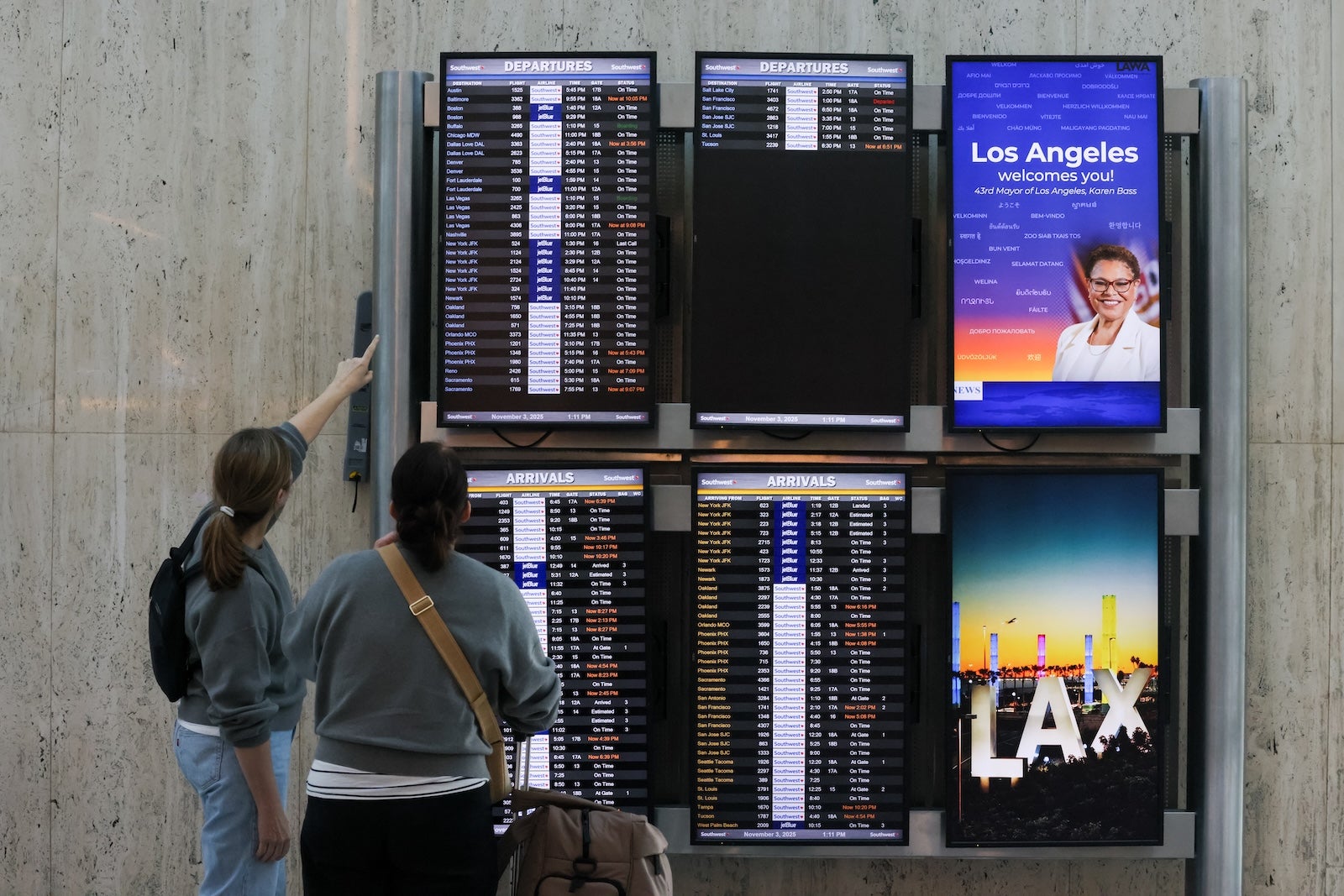
Airports from New York City to Boston, Atlanta, South Florida, Dallas, Houston, Los Angeles, Washington D.C., and more have all been affected.
The action follows the prolonged federal government shutdown, now the longest in history, which is putting pressure on the nation’s air traffic controller workforce, with employees having gone weeks without a full paycheck.
Airlines are now hastily deciding which flights to cancel, leaving travelers uncertain about the status of their upcoming flights.
In response, several major U.S. airlines have implemented more flexible policies, allowing travelers to change flights, remain at home, or request refunds.
For more details on the FAA’s flight reductions, read on for an airline-by-airline overview.

Subscribe to the Flying Frugal Daily newsletter for updates!
Join over 700,000 readers for breaking news, in-depth guides, and exclusive deals from Flying Frugal’s experts.
American Airlines
American Airlines announced its long-haul international routes will continue as planned, along with flights between American hubs crucial for positioning planes and crews.
The airline will “proactively reach out” to customers facing cancellations.
Customers whose flights are canceled or those opting not to travel can change their flight or request a refund without penalty, according to the airline.
American plans to cancel about 220 flights per day between Friday and Monday, as indicated to Flying Frugal.
Note: You are entitled to a refund if your flight is canceled and you choose not to travel.
Delta Air Lines
Delta has extended its travel advisory to all 40 airports affected by the FAA restrictions, with a full list of eligible airports provided.
Travelers booked for flights between November 7 and 14 can rebook for flights departing until November 21 at no extra cost. Note that a fare difference may apply for later dates.
This advisory may expand should the shutdown continue.
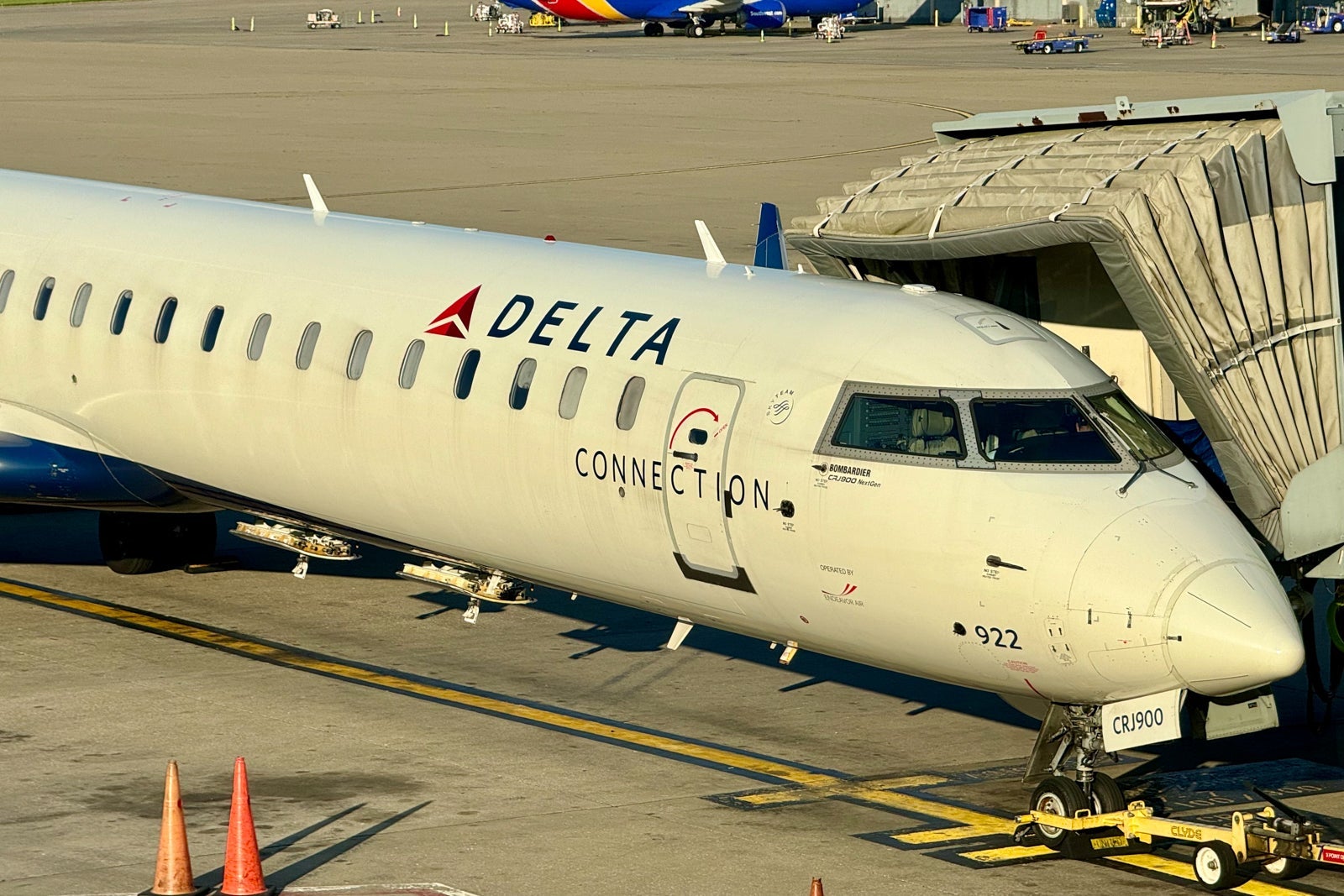
The airline also offers penalty-free cancellations and refunds for travelers heading to, from, or through affected airports during this period, even for basic economy tickets.
Delta indicated it would announce flight cancellations approximately a day in advance, with around 170 flights canceled for Friday, predominantly affecting regional services.
Related: U.S. government shutdown: Important travel implications.
United Airlines
United Airlines has issued a travel waiver for flights scheduled from November 6 to 13 at several key airports:
- Cleveland Hopkins International Airport (CLE)
- Denver International Airport (DEN)
- Newark Liberty International Airport (EWR)
- Guam International Airport (GUM)
- Hong Kong International Airport (HKG)
- Dulles International Airport (IAD)
- George Bush Intercontinental Airport (IAH)
- Los Angeles International Airport (LAX)
- O’Hare International Airport (ORD)
- San Francisco International Airport (SFO)
Travelers impacted can choose United flights departing up to six days before or after their original dates or receive a full refund, in line with DOT policy. Additionally, customers can opt for a refund even if their flight is canceled, provided it was booked prior to November 4.
United will continue essential services and limit long-haul international flights and hub-to-hub routes.
The airline has been providing updates on canceled flights.
More info: What to do if your flight is delayed or canceled.
Southwest Airlines
Southwest will generally rebook customers automatically onto alternate flights for cancellations. Customers can also choose to rebook themselves or request a refund.
Travelers with trips between November 7 and 12 can rebook or fly standby within the same city pair without incurring fare differences. Furthermore, cancellations during this period will also yield refunds even for unaffected flights, provided cancellations occur at least 10 minutes before departure.
Alaska Airlines and Hawaiian Airlines
Alaska Air Group has issued a flexible travel waiver allowing travelers to rebook between November 7 and 14 at no extra charge until November 21. Both airlines will continue essential routes and international services while minimizing disruption to communities reliant on air travel.
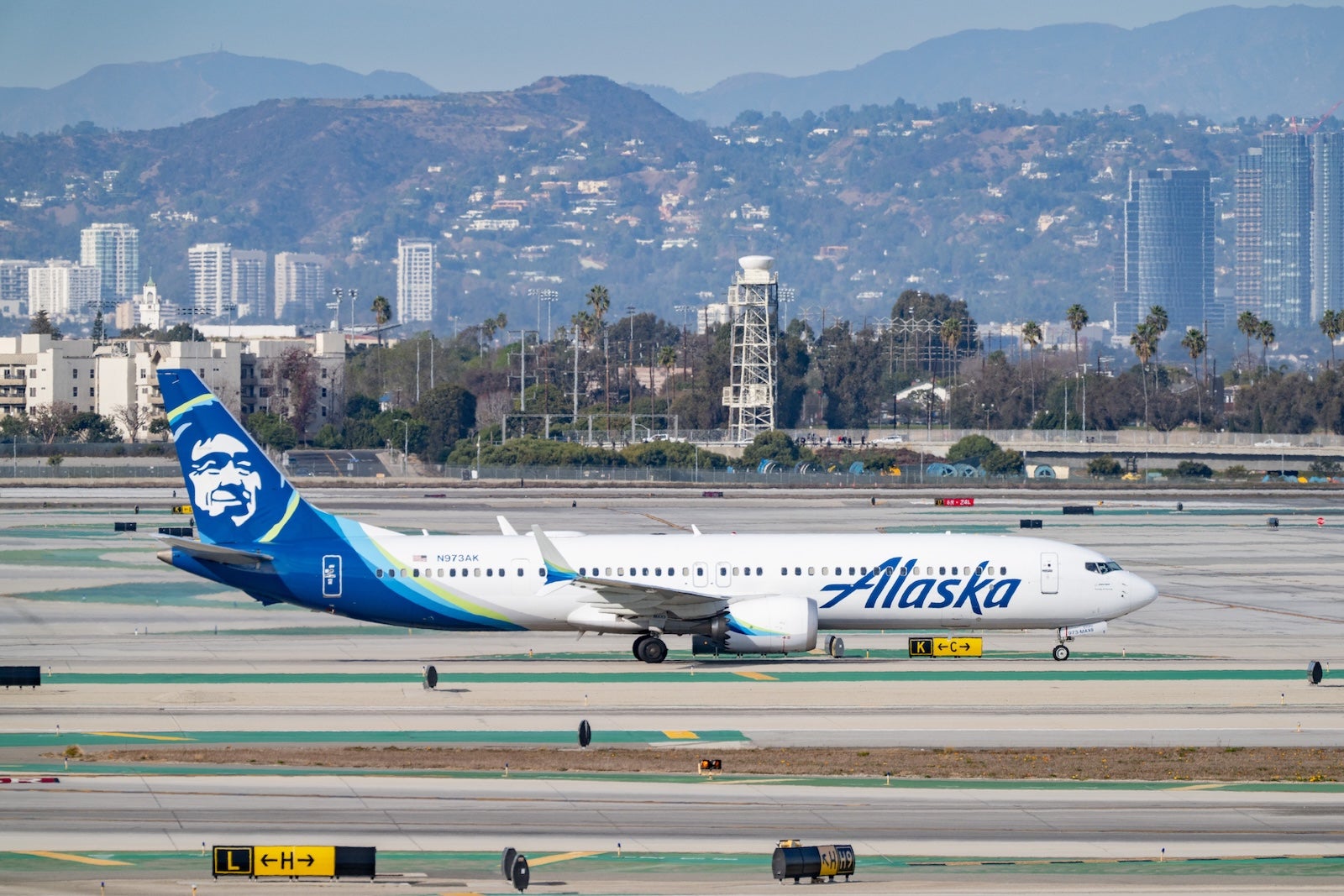
The carrier assured that it would preserve services to remote communities while reducing frequencies on routes with multiple daily options.
JetBlue
JetBlue’s travel advisory covers 20 cities, including major hubs like JFK, BOS, and FLL. Travelers flying between November 7 and 13 can rebook without any change fees or fare differences until November 19. Cancellations due to flight cancelations also qualify for refunds under DOT regulations, while customers opting for a travel credit may receive 2,000 TrueBlue points.
Frontier Airlines
Frontier has introduced flexible travel policies, waiving all change and cancellation fees for flights arriving before November 12, as long as the route remains unchanged. However, price differences will apply for higher fares, and cheaper itineraries will not yield travel credits.
Key points to remember include:
- You can cancel your Frontier flight without penalties even if it’s not affected by FAA restrictions.
- For unaffected flights, only travel credits are available, not full refunds.
- If flights are canceled or delayed and not caused by the traveler, a refund is eligible under DOT regulations.
In a surprising statement, Frontier’s CEO advised passengers to secure backup tickets on other airlines, citing ongoing uncertainties.
Frontier operations often involve less-than-daily services, so travelers may face longer waits for rebooking.
Spirit Airlines
As of Saturday morning, Spirit Airlines had no active travel waivers, although the ultra-low-cost carrier stated it was “closely monitoring” the situation. Notably, Spirit only canceled five flights on Friday.
Compensation for Stranded Travelers
Since the disruptions are not deemed the airline’s fault, they are likely not responsible for extra costs like hotel stays, meals, or ground transport. However, travelers who used credit cards with travel insurance might claim these expenses.
The DOT confirmed that airlines must issue full refunds but are not obligated to cover additional costs if the delay or cancelation is outside their control.
Important Information
These advisories are subject to rapid changes as FAA restrictions evolve. Stay tuned for updates, and watch for communications if you are flying soon.
Most Affected Airports by FAA Restrictions
Here’s a complete list of the airports where the FAA has mandated air traffic cuts. Expect disruptions to spread across the nation.
- Ted Stevens Anchorage International Airport (ANC)
- Hartsfield-Jackson Atlanta International Airport (ATL)
- Boston Logan International Airport (BOS)
- Baltimore/Washington International Thurgood Marshall Airport (BWI)
- Charlotte Douglas International Airport (CLT)
- Cincinnati/Northern Kentucky International Airport (CVG)
- Dallas Love Field (DAL)
- Ronald Reagan Washington National Airport (DCA)
- Denver International Airport (DEN)
- Dallas Fort Worth International Airport (DFW)
- Detroit Metropolitan Wayne County Airport (DTW)
- Newark Liberty International Airport (EWR)
- Fort Lauderdale/Hollywood International Airport (FLL)
- Honolulu’s Daniel K. Inouye International Airport (HNL)
- Houston’s William P. Hobby Airport (HOU)
- Washington’s Dulles International Airport (IAD)
- Houston’s George Bush Intercontinental Airport (IAH)
- Indianapolis International Airport (IND)
- New York’s John F. Kennedy International Airport (JFK)
- Las Vegas’ Harry Reid International Airport (LAS)
- Los Angeles International Airport (LAX)
- New York’s LaGuardia Airport (LGA)
- Orlando International Airport (MCO)
- Chicago’s Midway International Airport (MDW)
- Memphis International Airport (MEM)
- Miami International Airport (MIA)
- Minneapolis–St. Paul International Airport (MSP)
- Oakland San Francisco Bay Airport (OAK)
- Ontario International Airport (ONT)
- Chicago’s O’Hare International Airport (ORD)
- Portland International Airport (PDX)
- Philadelphia International Airport (PHL)
- Phoenix Sky Harbor International Airport (PHX)
- San Diego International Airport (SAN)
- Louisville Muhammad Ali International Airport (SDF)
- Seattle–Tacoma International Airport (SEA)
- San Francisco International Airport (SFO)
- Salt Lake City International Airport (SLC)
- Teterboro Airport (TEB)
- Tampa International Airport (TPA)
Further Reading: