

It’s that time of year again! With temperatures dropping, hot tea becoming a staple, and flu season approaching, there’s more than just the chill in the air affecting holiday travelers.
As Dr. Waleed Javaid, an epidemiologist and medicine professor at West Virginia University, notes, “We’re currently dealing with a variety of respiratory illnesses, including COVID-19, influenza, and RSV (respiratory syncytial virus). Other common issues include norovirus and bacterial infections like E. coli. As we move into the colder months with holiday gatherings, respiratory infections tend to surge due to increased close contact and indoor activities.”
Fortunately, we gained valuable knowledge about reducing illness during travel from the COVID-19 pandemic. “COVID emphasized the significance of hand hygiene and bolstering immunity through healthy habits,” explains Dr. Taz Bhatia, a board-certified integrative medicine physician and medical adviser for Genexa’s cold and flu brand. Many precautions taken to curb the spread of COVID-19 can also safeguard against seasonal influenza, according to Healthline.
You definitely want to avoid getting sick while flying and ruining your vacation. Here are some tips to help keep you and your family healthy during travel.
Wear a Mask
While mask mandates for flying have been lifted, wearing a mask on your next flight can still reduce the risk of getting ill. A 2020 study from the U.S. Department of Defense found that wearing masks significantly lowered the chance of COVID-19 transmission on airplanes. Masks also provide protection against common respiratory viruses like influenza, which spread through the air.
The Centers for Disease Control and Prevention advises sick travelers (those with fever or respiratory symptoms) to wear masks to minimize germ transmission, as well as those seated near them when the sick individual cannot wear one.
Keep Your Hands Clean
Good hand hygiene is crucial for preventing illness, especially while traveling. “Ensure your hands stay clean,” says Dr. Nicholas Testa, California regional chief medical officer at CommonSpirit Health. This includes frequent washing with soap and water or using an alcohol-based sanitizer.
The CDC emphasizes that hand washing is the “single most important infection control measure” and suggests using “alcohol-based hand sanitizer (with at least 60% alcohol) when soap and water aren’t available.”
Avoid the Bathroom
For short flights, Dr. Marina Gafanovich, a primary care physician based in New York, recommends using the bathroom before takeoff. “Many people share those facilities,” she warns. “Research indicates high germ levels on sinks, flush handles, and toilet seats. Hence, using paper towels for contact is wise.”
Stay Hydrated

Airplane cabin humidity can drop to 10% to 20%, much lower than the comfortable range of 30% to 65%. Low humidity can dry out the mucous membranes in your nose and airways, making you more vulnerable to viruses. To combat this, stay hydrated by bringing a water bottle and aiming to drink 8 ounces of water every hour during your flight. Remember to limit alcohol and caffeine, as they can further dehydrate you.
Avoid High-Touch Areas
In addition to handwashing, be mindful of high-touch surfaces on planes, as viruses can linger on hard surfaces for up to 24 hours. Dr. Gafanovich advises against using tray tables unless absolutely necessary, and to sanitize them beforehand if you do. Store items elsewhere instead of the seatback pocket, which can harbor germs.
Dr. Testa suggests avoiding or wiping down overhead air vents, lavatory flush buttons, and seatbelt buckles. Stock up on hand sanitizing wipes for your journey, like Purell or antibacterial towelettes designed for travelers.
Don’t Touch Your Face
Even with clean hands, try to avoid touching your face. “Germs won’t get you sick unless they reach an entry point like your nose, mouth, or eyes,” explains Dr. Frank Contacessa. “Habitually avoid rubbing your eyes or touching your mouth or nose unless your hands are freshly washed.”
Consider Wearing Gloves
If avoiding face-touching is a challenge, consider wearing gloves. Dr. Julie Fischer from Georgetown University explains: “Gloves can serve as a reminder not to touch your face. When you wear them, you tend to be more mindful of your actions, but remember that proper handwashing is still essential.”
Choose Your Seat Wisely
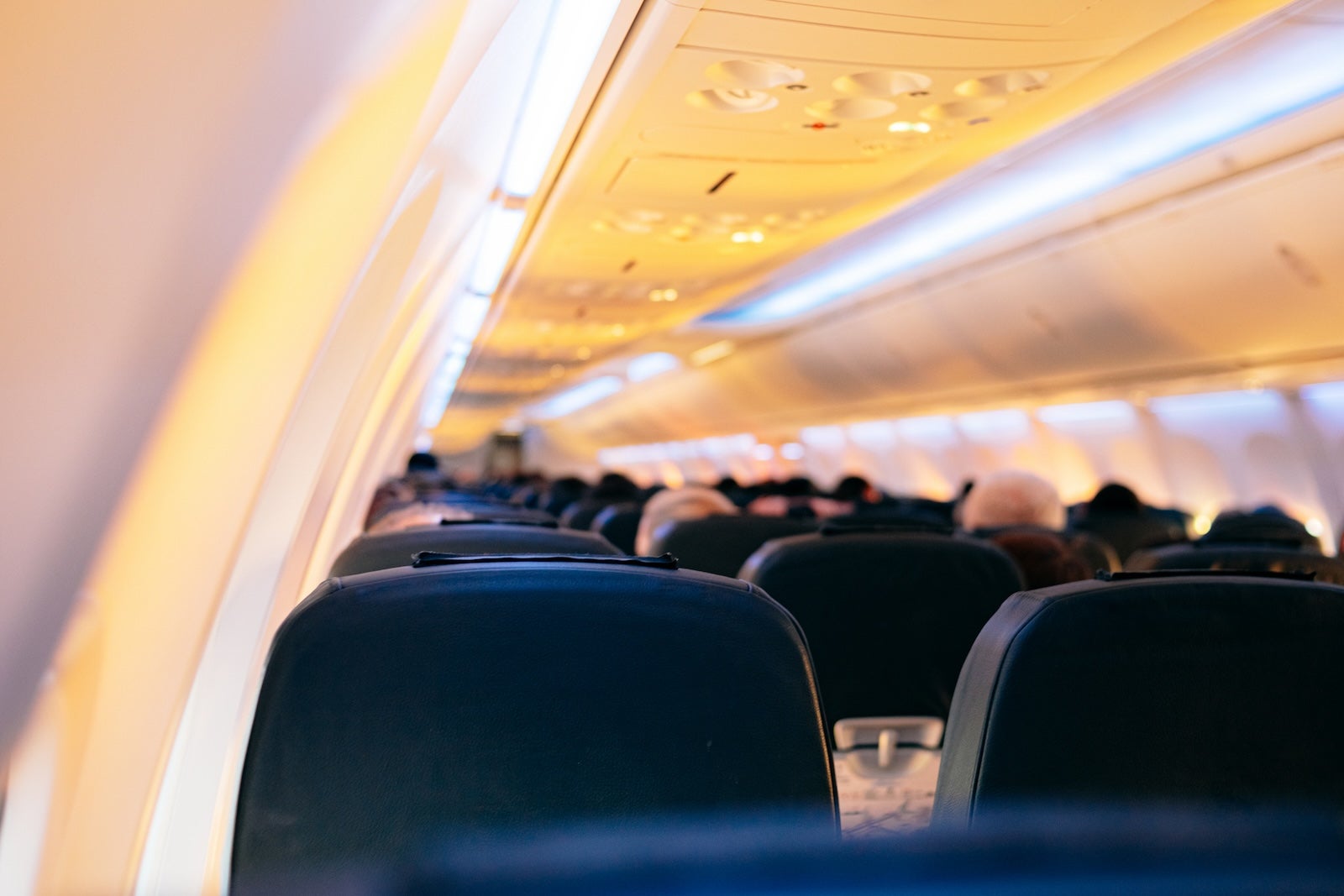
Research suggests that aisle seats encounter more traffic and therefore a greater risk of exposure to illnesses. Dr. Testa recommends the window seat to minimize contact with other passengers.
Keep Your Air Vent On
Contrary to popular belief, keeping your air vent on could reduce your risk of illness. “Some studies indicate that directing your overhead vent downward creates a protective airflow barrier,” says Dr. Contacessa. “This can help deflect airborne germs from other passengers. Additionally, airplane HEPA filters can eliminate at least 99.97% of airborne viruses and bacteria.”
Prepare Your Body
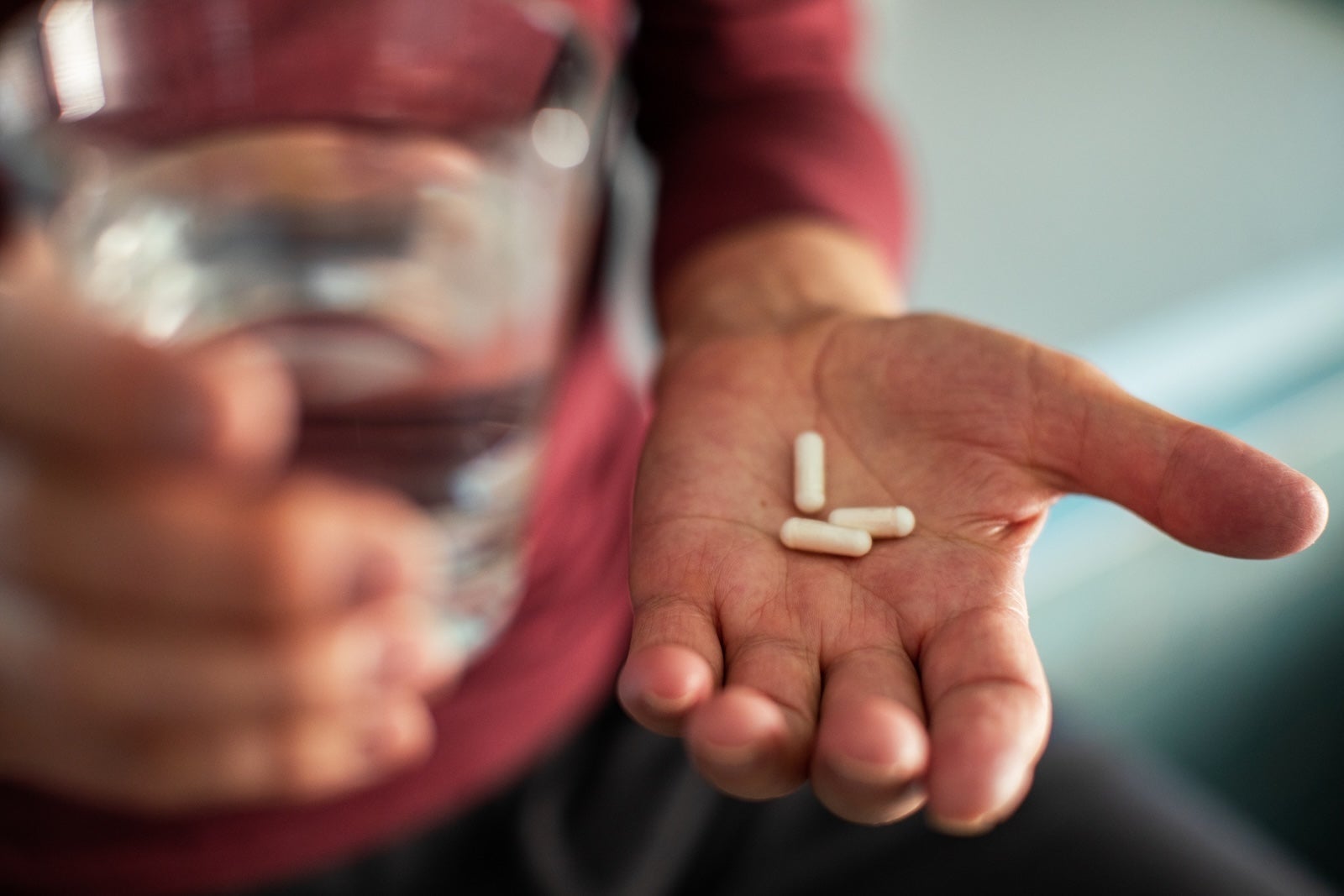
Even before boarding, you can take steps to enhance your immunity. The CDC recommends keeping up with vaccinations, including annual flu shots and COVID-19 boosters. Dr. Bhatia suggests getting plenty of sleep, maintaining a balanced diet, and taking supplements like vitamin D and zinc. Packing vitamin C can also be beneficial; studies indicate it may reduce the likelihood of viral infections during stressful times, such as travel.
Bottom Line
While the worst of the COVID-19 pandemic may have passed, it’s still vital to stay healthy when traveling. The tips above can help you navigate this flu season effectively, ensuring you get the most out of your holiday travels.
When gathering supplies, remember that some credit cards offer bonus points for purchases at pharmacies or grocery stores. And when managing vaccinations, consider the top credit cards for medical expenses.