

This weekend’s travel challenges are turning out to be more severe than anticipated.
Staffing shortages at numerous air traffic control facilities nationwide are causing flight delays at some of the largest airports.
This situation has resulted in hundreds of cancellations beyond the cuts mandated by the Federal Aviation Administration (FAA) and thousands of additional delays.
As of 5:15 p.m. EST Saturday, over 5,300 flights had been delayed across the country, according to FlightAware data.
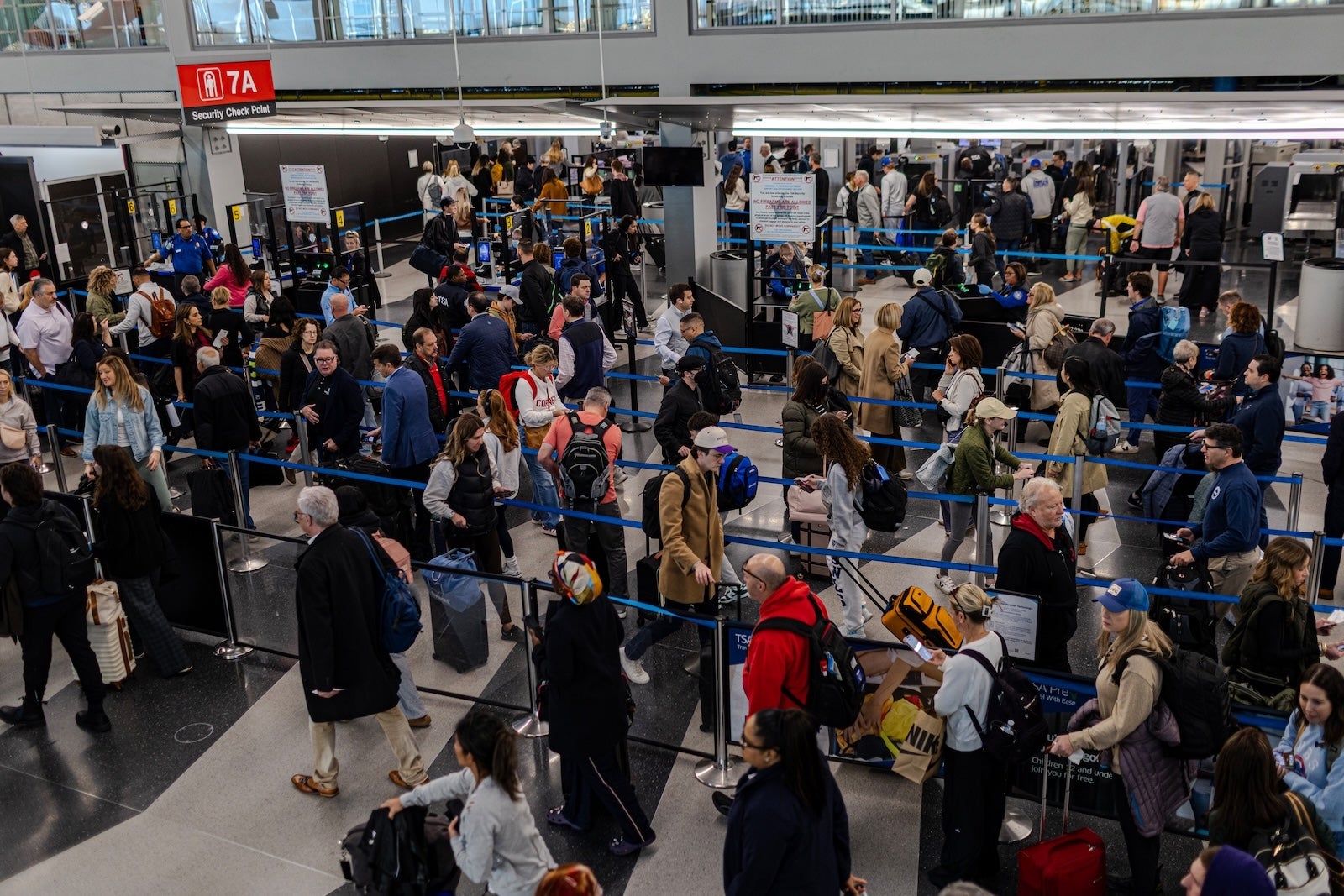
At several congested East Coast hubs, passengers experienced multi-hour disruptions.
Average ground delays surged to over five and a half hours at Hartsfield-Jackson Atlanta International Airport (ATL), the busiest airport globally and a major hub for Delta Air Lines.
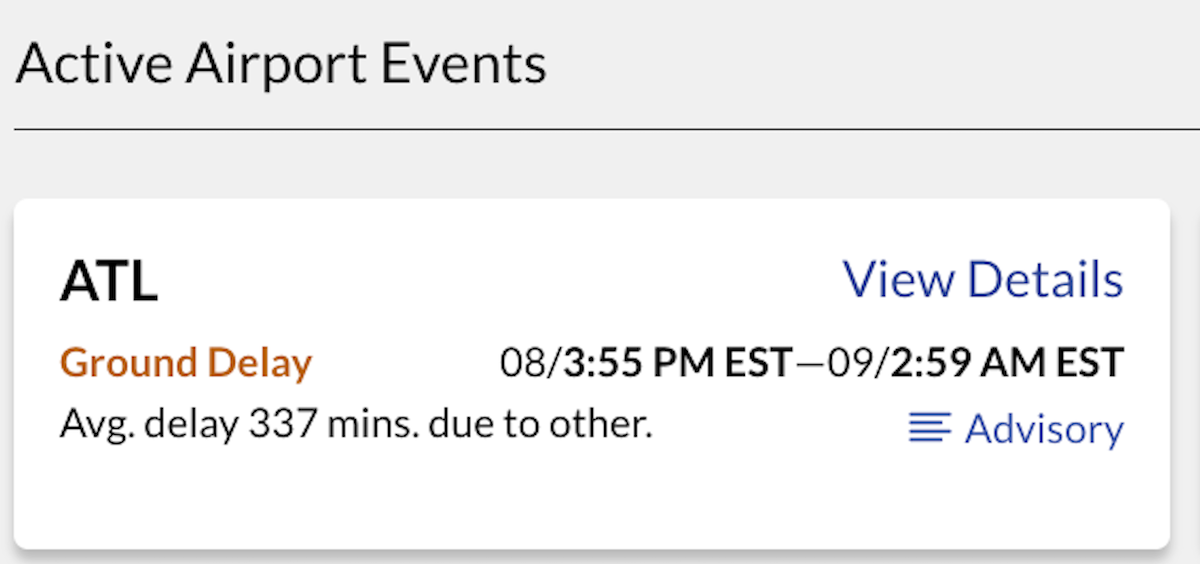
Travelers at Newark Liberty International Airport (EWR) faced average delays approaching four hours, along with significant backups at the other major airports in the New York City area.
Cancellations and Delays Exceed Expectations
This added chaos follows the FAA’s implementation of mandatory cuts to flights at many of the country’s busiest airports. Airlines were projected to cancel 4% of departures across 40 hubs this weekend.
This initially led to about 800 cancellations by Saturday morning.

Keep updated with the Flying Frugal Daily newsletter
Join over 700,000 readers for breaking news, in-depth guides, and exclusive deals from Flying Frugal’s experts.
However, cancellations exceeded 1,200 by early evening as traffic issues and staffing shortages impacted even more flights than anticipated.
Read more: How each airline is managing flight reductions during the shutdown: What to know
According to FAA data reviewed by Flying Frugal, approximately 30 air traffic control facilities reported “staffing triggers” as Saturday night approached.
Read more: Flight delayed or canceled? Here’s what to do next
Increased Pressure on Air Traffic Controllers
Air traffic controllers and other essential aviation employees have been working without pay due to the ongoing government shutdown, which began on October 1.
In the past week, a growing number of controllers have been calling in absent, further straining an already understaffed workforce.
These issues—and the subsequent flight delays—have intensified even as the FAA enforced its flight restrictions beginning Friday.
Since Wednesday, nearly 20,000 flights have been delayed, according to FlightAware data.
Charlotte Douglas International Airport (CLT), a significant hub for American Airlines, faced a ground stop due to staffing issues on Saturday morning.
“We ask for passengers’ patience and understanding as we navigate this unprecedented situation together,” the airport stated on social media.
This followed significant delays and cancellations at Ronald Reagan Washington National Airport (DCA) on Friday evening.
More Disruptions Ahead
Further disruptions are anticipated as airlines have already canceled nearly 930 departures for Sunday, in line with FAA restrictions. By late next week, cancellations could affect one out of every ten flights from the 40 major airports impacted.

Without a resolution to the federal government shutdown, immediate improvements in air traffic control staffing appear unlikely.
On Friday, a trade organization representing major U.S. airlines urged Congressional leaders to work quickly to resolve the longest shutdown in U.S. history.
“We urge Congress to act swiftly to reopen the federal government, compensate federal workers, and restore normal air traffic operations,” Airlines for America stated. “Time is of the essence.”
What to Do If You’re Traveling
Flying Frugal has comprehensive coverage of the effects of the government shutdown on travelers.