


Certainly! Here’s a rewritten version of your content:
—
Almost a year after Hurricane Helene impacted the southeastern U.S., the iconic Blue Ridge Parkway — stretching 469 miles — is nearly fully accessible once again.
This winding, two-lane highway traverses the picturesque Blue Ridge Mountains (part of the Appalachian range), linking Great Smoky Mountains National Park in North Carolina with Shenandoah National Park in Virginia. With a speed limit of 45 mph, the parkway prioritizes stunning natural vistas over speed, offering mile after mile of breathtaking landscapes.
Travelers can easily access numerous points of interest, including two charming mid-sized cities: Asheville, North Carolina (now open to visitors), and Roanoke, Virginia. For those embarking on a grand adventure, driving the entire parkway is highly recommended. Along the way, expect to discover an array of scenic overlooks, picnic areas, hiking trails for all skill levels, and intriguing historical sites that celebrate Appalachian culture.
Here’s an overview of some unforgettable stops along this enchanting route, along with essential planning tips to kickstart your journey.
Related: Maximize your travel rewards: Using points and miles for road trips
Planning Your Blue Ridge Parkway Adventure
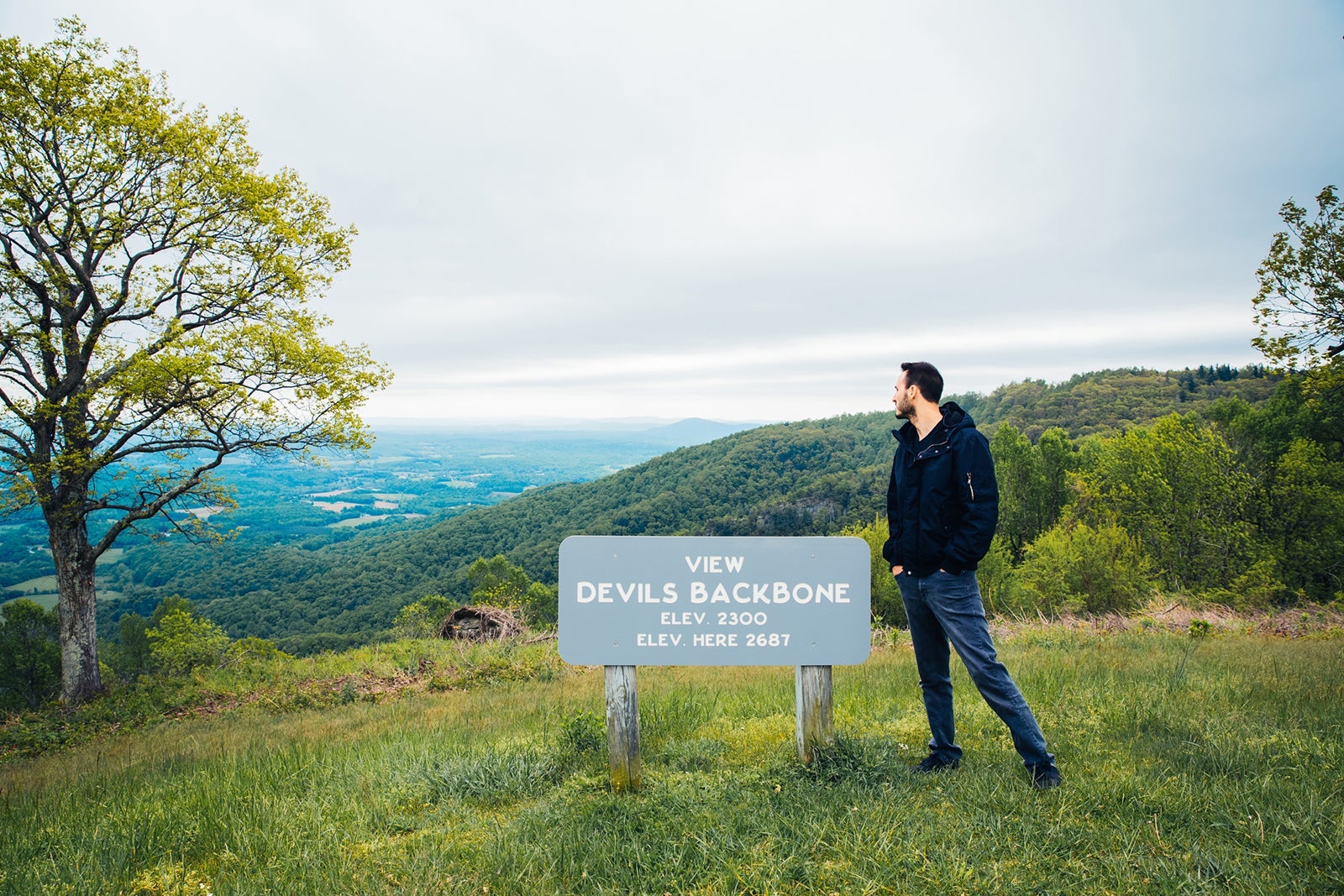
Getting Started and Concluding Your Blue Ridge Parkway Journey
The closest airport to the southern terminus of the parkway, located in the Great Smoky Mountains, is Knoxville’s McGhee Tyson Airport (TYS), about a two-hour drive away.
For round-trip car rentals, Charlotte Douglas International Airport (CLT) is an excellent choice, situated 3.5 hours from the southern end and approximately 4.5 hours from the northern end at Shenandoah’s entrance.
Atlanta is also 3.5 hours from the southern end of the parkway, with a scenic drive through Georgia’s Appalachian Mountains, making it a fantastic extension of your adventure. From the north end, Dulles International Airport (IAD) near Washington, D.C. is just a 2.5-hour drive.
While there’s no charge to drive the Blue Ridge Parkway, a $30 fee per vehicle is required to enter Shenandoah National Park (unless you possess a park pass), and Great Smoky Mountains National Park charges parking fees.

Stay updated with the Flying Frugal Daily newsletter
Join over 700,000 readers for the latest news, comprehensive guides, and exclusive offers from Flying Frugal’s experts
Optimal Timing for Your Blue Ridge Parkway Drive
The parkway’s scenery peaks from spring through autumn, but May to mid-June is especially beautiful for wildflower and rhododendron viewing, while mid-September to mid-October is ideal for stunning fall foliage.
Temperatures along the parkway are typically 5 to 10 degrees cooler than in lower regions, providing a refreshing escape from summer heat. However, winter can bring snow and ice, which can close many facilities along the route.
Due to the winding and narrow nature of the road, it’s prone to fog and wildlife crossings year-round. Thus, it’s advisable to drive during daylight hours for safety and optimal views, and to be cautious during heavy rainfall.
Planning to drive the whole route? While it’s possible to complete it in three days, a leisurely five-day trip offers a much more enjoyable experience. With a full week, you can explore Great Smoky Mountains and Shenandoah national parks as well.
From Great Smoky Mountains National Park to Asheville
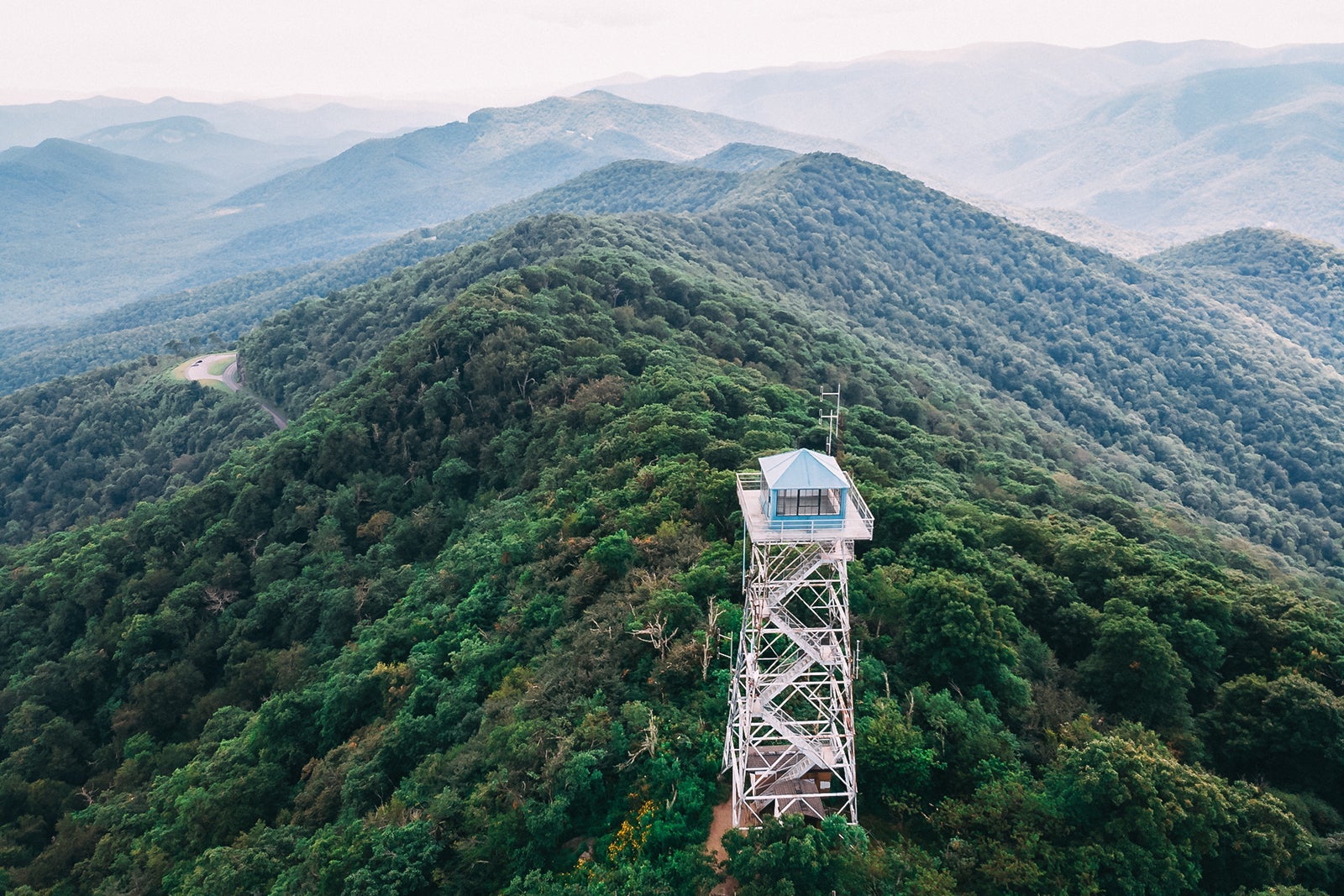
The Blue Ridge Parkway stretches from the Oconaluftee Visitor Center in Great Smoky Mountains National Park.
This expansive 522,419-acre area features stunning forests, open meadows, and winding streams and is the largest national park east of the Mississippi. In just one day, you can hike to the observation tower at Clingmans Dome, which stands at 6,643 feet, or explore the Mountain Farm Museum — or take the enchanting Roaring Fork Motor Nature Trail in the Tennessee section of the park and embark on a short hike to Grotto Falls.
Notable Stops
Once you enter the parkway, enjoy about 90 miles until you reach Asheville.
This segment boasts some of the most breathtaking scenic overlooks along the parkway, with Waterrock Knob (milepost 451) being a highlight. Here, you’ll find a small visitor center and picnic area, plus spectacular views at sunset.
Another noteworthy stop is Mount Pisgah (milepost 408). Set aside a couple of hours for the steep yet well-marked 2.6-mile round-trip hike to its 5,721-foot summit, which provides panoramic views of Asheville.
Discovering Asheville
Having recovered from Hurricane Helene, Asheville is better than ever.
With a vibrant culinary and craft beer scene, plus a flourishing arts community, Asheville offers plenty to explore over several days. Notable attractions include the Blue Ridge Parkway Visitor Center, with fascinating exhibits on the road’s history, and the impressive Folk Art Center (notably, the Allanstand Craft Shop).
In Asheville, make time to visit The North Carolina Arboretum’s beautiful grounds, check out the art galleries in the trendy River Arts District (you might even want to join an art class), and indulge in the vibrant food and drink scenes in neighborhoods like South Slope and West Asheville.
Don’t miss Biltmore Estate, a grand 250-room mansion with exquisite gardens. A full day is recommended to appreciate this sprawling 8,000-acre property (admission begins at $70 per person).
Accommodations
While Great Smoky Mountains National Park lacks lodging options, nearby towns like Cherokee, North Carolina (just 4 miles from the parkway’s start) and Gatlinburg, Tennessee, offer various choices. Options include the no-frills Fairfield by Marriott Inn & Suites Cherokee, with rates starting at $96 or 29,000 Marriott Bonvoy points per night, and Econo Lodge Inn & Suites Gatlinburg, with rates from $52 or 20,000 Choice Privileges points per night.
Asheville boasts the most diverse selection of points hotels along the parkway. For instance, consider the Blind Tiger Asheville, a charming bed-and-breakfast in a 19th-century Queen Anne home, with rates starting at $202 or 27,000 points. Alternatively, book The Radical Asheville, a stylish Hilton Honors property in the River Arts District, starting at $141 or 45,000 points per night.
Related: Top road trips for exploring national parks
The Journey from Asheville to Blowing Rock, North Carolina
Key Stops Along the Way
Northeast of Asheville, Craggy Gardens Picnic Area (milepost 364) offers shaded picnic tables and trails leading to beautiful azaleas and mountain laurels.
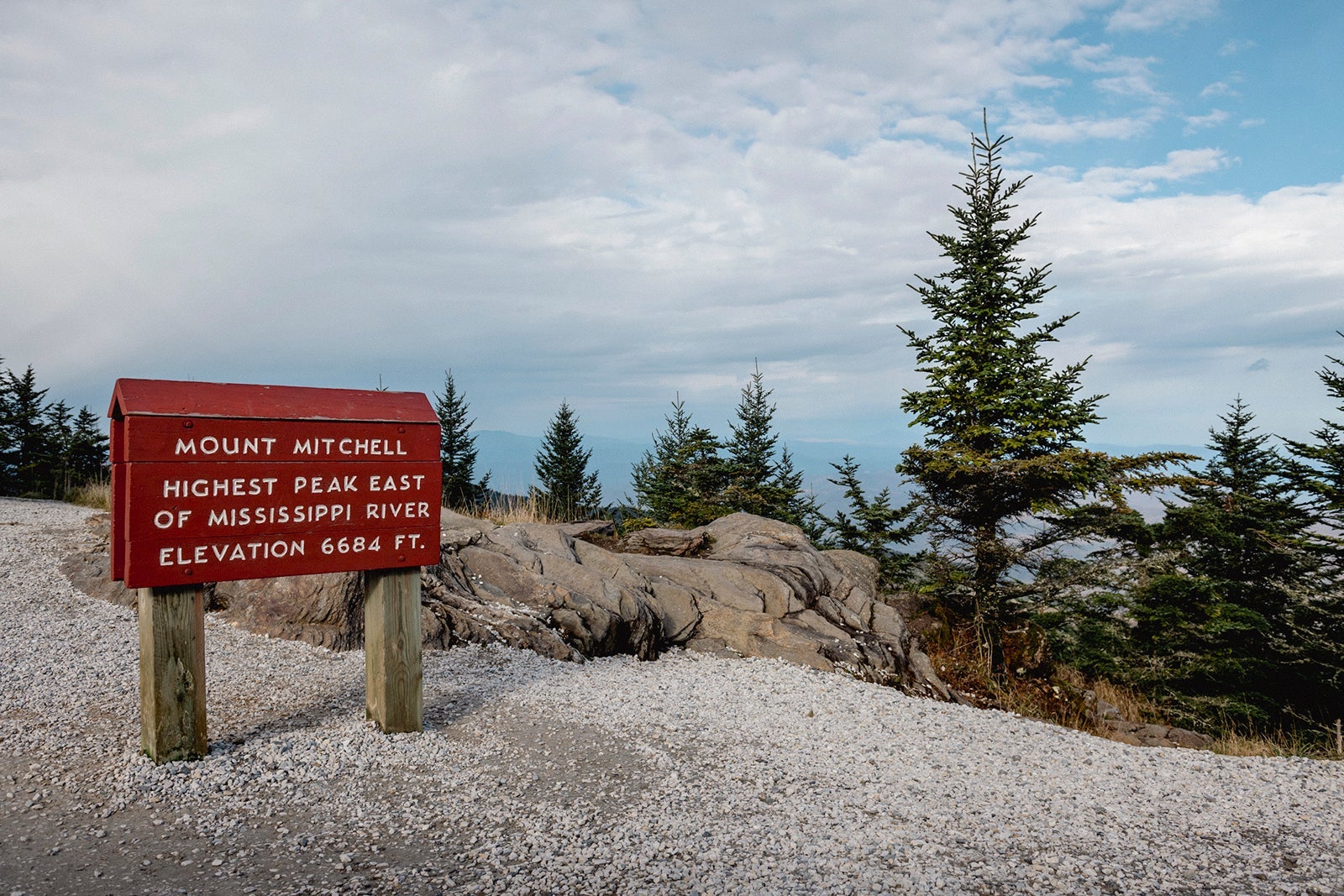
Approximately 10 miles later, take a side drive to the summit of Mount Mitchell, the highest point in the eastern U.S. A short, paved path leads to an observation deck, along with a small museum and casual dining options.
At milepost 305, you’ll approach Grandfather Mountain, where you can traverse a dramatic mile-high swinging bridge. You’ll also drive over the parkway’s magnificent Linn Cove Viaduct, a twisting 1,243-foot-long concrete bridge hugging Grandfather Mountain’s steep face.
At Julian Price Memorial Park, consider renting a kayak or canoe for a refreshing paddle around Price Lake. Also, explore the charming village of Blowing Rock, with its shops and the fascinating Blowing Rock Art & History Museum.
Where to Stay
Blowing Rock features one points hotel: Holiday Inn Express Blowing Rock South, with fall rates starting from $83 or 18,000 IHG One Rewards points per night.
Additional notable options include the rustic Mountainaire Inn & Log Cabins (starting around $134 per night) and the alpine-inspired Switzerland Inn (starting at $109 per night), both bookable through various travel platforms.
Related: Save on your next trip with the Capital One Venture X travel credit
From Blowing Rock to Roanoke
Notable Stops
As you near Virginia, take a lunch break at the parkway’s oldest restaurant, The Bluffs (milepost 238), a cozy diner from the 1940s, famous for its fried chicken. Next, explore the nearby Brinegar Cabin, a late-19th-century homestead representative of the era.
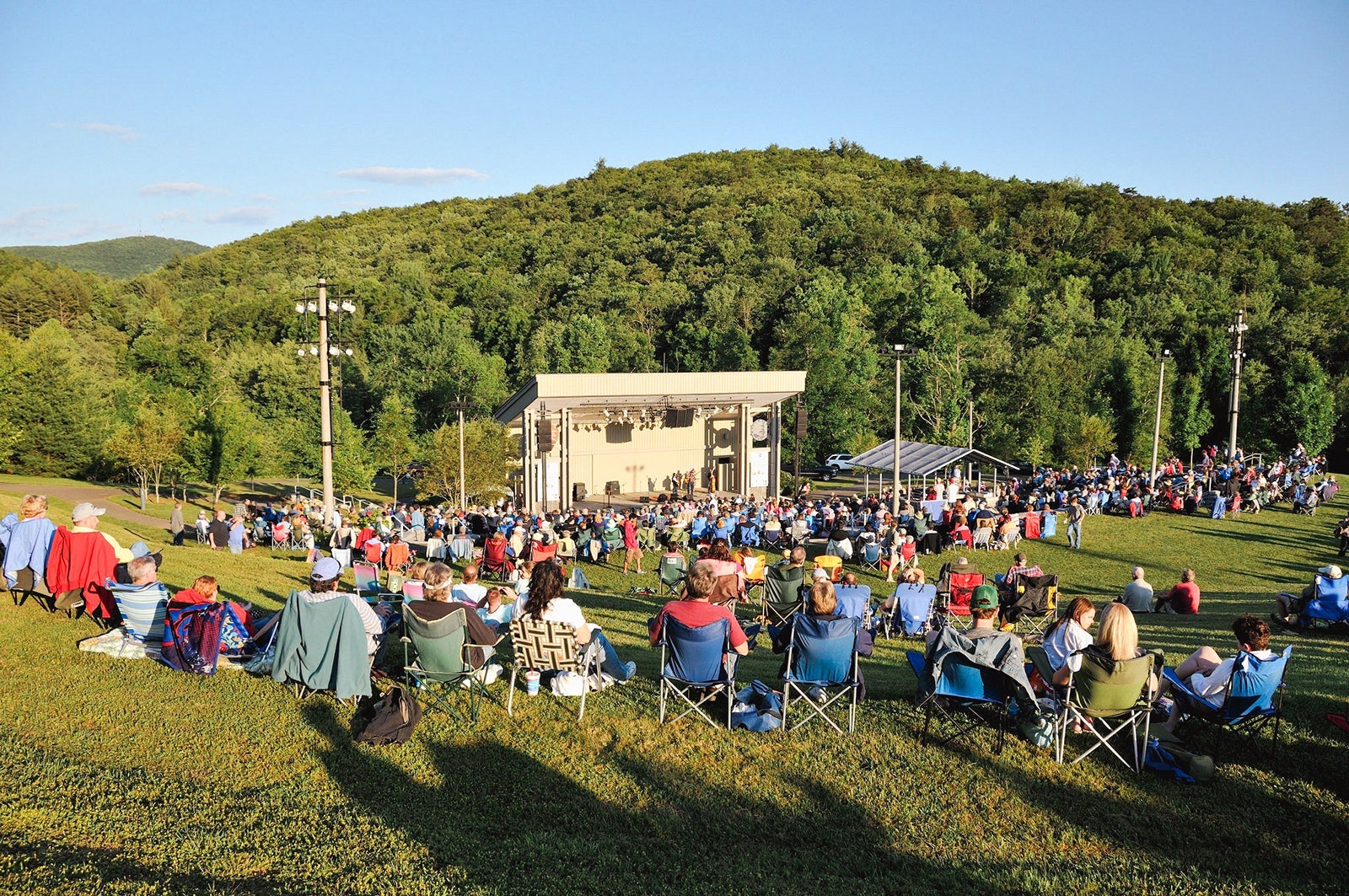
Following the state line, don’t miss the easy 2-mile loop hike at Cumberland Knob (milepost 218) and the outdoor Blue Ridge Music Center, which hosts folk and country concerts during summertime. At historic Mabry Mill (milepost 176), you can watch artisans at work in the historic sawmill and blacksmith shop while enjoying a meal in the vibrant restaurant, renowned for its freshly made blackberry cobbler.
As you approach Roanoke, the turnoff for the scenic Mill Mountain Greenway is at milepost 120. Stop at Mill Mountain Park for magnificent city views, and, if time allows, stroll through the small zoo and gardens.
Exploring Roanoke
Allocate at least half a day to immerse yourself in this vibrant hill city, featuring top-tier attractions like the Taubman Museum of Art, focusing on regional American artistry, and the O. Winston Link Museum, showcasing railway photography in a historic train station. Don’t forget to shop for local produce at the Historic Roanoke City Market and hunt for Appalachian antiques at the renowned Black Dog Salvage.
Accommodations
Roanoke serves as a convenient overnight stop, with several lodging options available for points bookings.
The Hotel Roanoke & Conference Center stands out for its charming Tudor-style architecture from the 1880s, complete with a fine restaurant offering a Southern twist on French cuisine. Rates start as low as $194 or 58,000 Hilton Honors points per night. For a good value, check out the Category 1 Hyatt Place Roanoke Airport/Valley View Mall (from $94 or 3,500 points per night).
From Roanoke to Shenandoah National Park
Scenic Stops
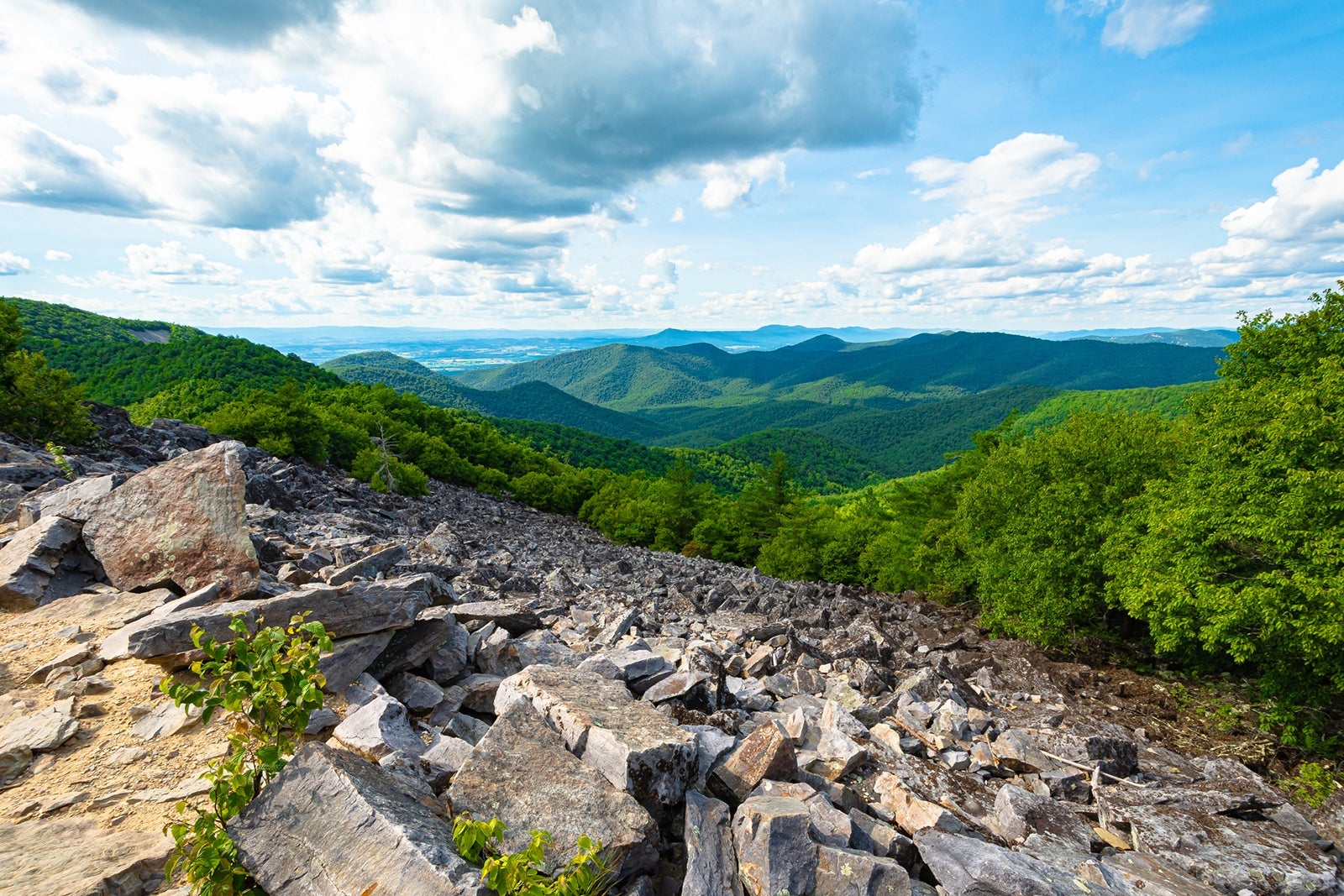
From Roanoke, you have roughly 115 miles left to your destination. Consider taking a detour into the charming town of Buchanan, Virginia. Here, you can cross an old swinging bridge over the James River and explore the easy, rewarding trails at the Peaks of Otter area (milepost 86).
The Transition to Skyline Drive
Reaching milepost 0 marks the end of the Blue Ridge Parkway as it transitions into Skyline Drive, a scenic 105-mile route through Shenandoah National Park.
This winding road offers a similar experience to the Blue Ridge Parkway but with a lower speed limit (35 mph) and a $30 fee per vehicle to enter (unless you have an America the Beautiful Pass or visit on a fee-free day).
Related: Top ten national parks to visit in autumn
Where to Stay
Finalizing your journey at the northern terminus of the parkway gives you easy access to lodging in I-64’s vicinity, with options in Staunton (20 minutes west) and Charlottesville, Virginia (30 minutes east). The Avid Hotel Staunton is available starting at $92 or 19,000 IHG One Rewards points per night this fall, and Hyatt Place Charlottesville begins at $110 or 8,000 World of Hyatt points per night.
If you continue along Skyline Drive through Shenandoah National Park, consider staying at one of its hotels. Availability can be limited, so early reservations are advisable to enjoy breathtaking morning views over the Allegheny Mountains.
Final Thoughts
With most major repairs completed post-Hurricane Helene, the Blue Ridge Parkway is now open for road trips — a perfect time this fall to visit. In addition to the experiences mentioned, expect to be treated to stunning fall foliage during your drive and hikes. If you’re aiming for peak leaf color, plan your visit between mid-October and early November for the best views.
—
Feel free to modify any specific details or sections as needed!