


A lunchtime outing at a restaurant in Buenos Aires triggered a six-month financial ordeal for a couple from Seattle, Alan and Terry Axelrod. They were shocked to discover that their credit card was charged a staggering $29,695 for a vegetarian meal.
That’s right—the restaurant, Juan Bautista Parrilla Gaucha, processed a nearly $30,000 charge on their Chase Sapphire Reserve® card that day.
The real shock came when, without a receipt to confirm the actual cost, Chase dismissed their dispute and rebilled them for the full amount. Further appeals were met with rejection.
In desperation, the Axelrods hired an attorney in Argentina, but he couldn’t help. Eventually, they turned to Flying Frugal for assistance.
Here’s their astounding story, what my investigation uncovered, and how you can evade a similar travel nightmare.
A memorable trip to Argentina takes a turn
In late January, the Axelrods arrived in Argentina, enjoying a fantastic trip—until their final day. Despite being vegetarians, they opted to dine at a traditional parrilla, hoping for a memorable end to their vacation.
“We checked to ensure they offered vegetarian options and went in,” Terry said. “The meal was delightful, and the setting was charming.”
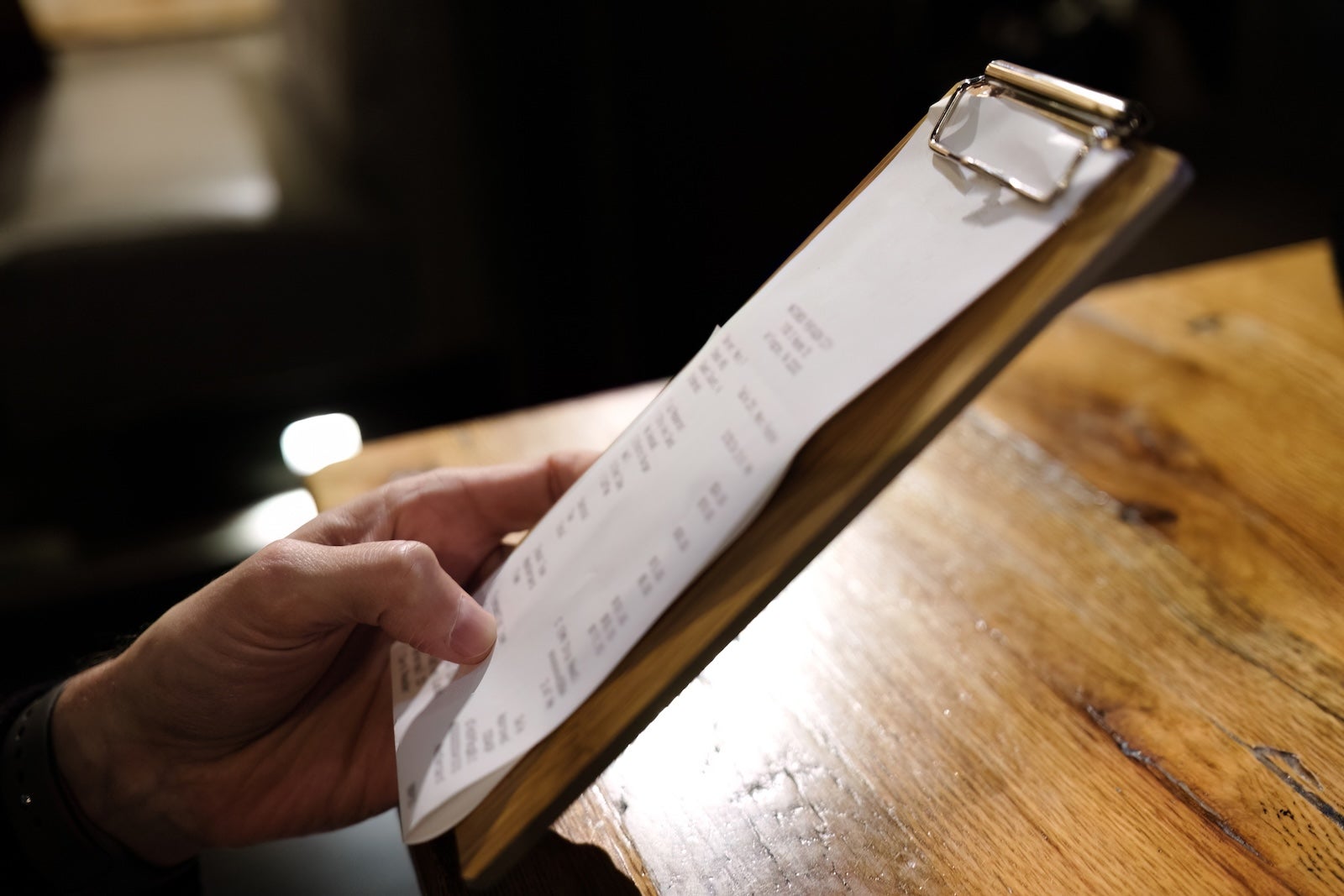
When it came time to settle the bill, a staff member brought a portable card reader to their table. Terry handed her card over, it was swiped, and the payment was quickly approved. She signed the receipt without asking for a copy.
This oversight would soon haunt them.
Returning home to an outrageous credit card bill
Upon returning to Seattle, Terry reviewed her credit card statements to see their trip expenses.
“I just wanted to know how much we spent,” she said. “To my shock, I found a $29,695 charge from Juan Bautista Parrilla Gaucha!”
The amount was so outrageous that Terry first laughed when showing it to Alan. He quickly called Chase, expecting a simple error to be corrected.
To their surprise, the agent confirmed the restaurant had charged $29,695. Alan explained their vegetarian lunch should have cost around $29 instead.
Chase initiated a credit card dispute investigation and temporarily reversed the charge.
“I figured the restaurant would realize the mistake and bill us the correct amount,” Terry recalled, hopeful this would be resolved.
Sadly, this was just the beginning of their troubles with Chase.
Further disputes over the erroneous charge
Five weeks later, Chase sent an email with upsetting news: the charge was deemed valid and would be rebilled. Stunned, the couple quickly appealed the decision in writing.
However, Chase’s fraud department upheld the charge, leading them to discover an unsettling detail.
The restaurant had charged the couple for meat delivered to their establishment that week, listed as “freezer and locker meat provisions.” What an absurd reality for these travelers!
Investing in legal help
In April, when Chase denied their further requests, the Axelrods decided to hire an attorney in Buenos Aires.
A friend recommended a lawyer who requested $2,500 upfront to investigate and potentially file criminal charges against the restaurant.
Alan wired the money, while Terry continued to press Chase’s fraud department and even visited a local branch for assistance.
She also lodged complaints with the Washington state attorney general and the Consumer Financial Protection Bureau.
By July, with the attorney asking for another $500, Terry suggested contacting Flying Frugal for help.
Feeling they had nothing to lose, she reached out to ombudsman@thepointsguy.com.
Seeking assistance from Flying Frugal
When I received Terry’s email, she had been consumed by this ordeal for nearly six months. Exhausted and frustrated, she had reached out to various organizations for assistance, only to be met with ridicule on social media.
Reviewing the documentation she compiled, I was struck by the absurdity of the situation. Why would two vegetarians suddenly purchase $30,000 worth of meat? I sought answers from the restaurant.
Clarifying with the restaurant
Surprisingly, the restaurant had not responded to any inquiries about this billing error.
The attorney’s demands for more payments were also concerning—three months should have yielded results.
I informed the Axelrods that the Fair Credit Billing Act mandates banks to eliminate billing errors and fraudulent charges. An attorney shouldn’t be necessary for such issues.
I reached out to Juan Bautista Parrilla Gaucha, urging them to investigate the erroneous charge.
Though I received no reply, I was confident that the right people at Chase could resolve the issue.
Presenting the case to Chase
As a consumer advocate, I have access to individuals who can help resolve issues that ordinary consumers can’t reach.
I contacted the Chase executive team and shared the Axelrods’ lengthy struggle. Concerned about their unnecessary legal expenses and the risk of losing more money, I requested an investigation into the hefty payment made to the restaurant.
Within a week, the investigation concluded. Chase reversed the charge and all accrued interest, finally ending the couple’s nightmare.
Chase did not clarify why their previous disputes were denied. However, the confirmation came that the case was resolved in the Axelrods’ favor.
Overjoyed, Terry and Alan expressed their gratitude: “There’s absolutely NO WAY this would have been resolved without your help,” they wrote. “Chase had denied us several times, but reaching out to Flying Frugal was our game-changer.”
Preventing fraudulent credit card charges on vacation
Unfortunately, many tourists fall victim to predatory merchants. However, several simple precautions can greatly minimize this risk.
One effective strategy is using a credit card that provides fraud protection instead of a debit card, which may lack the same level of security. Fortunately for the Axelrods, their Chase card offered zero liability protection, so they weren’t liable for unauthorized charges.
Here are additional tips to safeguard yourself from fraudulent credit card charges during your travels:
Download your credit card company’s mobile app
All major credit card issuers and banks have mobile apps. These help track your spending and allow you to see pending charges in real time.
Activate purchase alerts and set spending limits
Enabling purchase alerts lets you receive immediate notifications about transactions. Setting spending limits ensures that no single merchant can charge you exorbitantly.
Learn about local currency or download a converter
Before traveling, familiarize yourself with the local currency or download a currency converter app. This enables you to verify amounts before signing receipts, protecting you from scams that rely on currency confusion.
Avoid dynamic currency conversions
Be wary of dynamic currency conversions when using your card or withdrawing cash abroad. Always decline the option to convert to your home currency, as your bank typically offers better exchange rates without extra fees.
Keep all receipts
Save credit card and ATM receipts during your travels. Retain them until you can compare them to your statements for any discrepancies.
Bottom line
The Axelrods’ frustrating saga lasted an exhausting six months.
Credit card companies should swiftly investigate disputes—especially those involving significant sums. Had Chase acted promptly, the couple would have avoided many sleepless nights and wasted money on legal fees.
Cardholders should never have to incur legal costs to resolve fraudulent charges, a principle reinforced by the Fair Credit Billing Act. Sadly, this case took an unfortunate and convoluted route.
Ultimately, Terry’s decision to reach out to Flying Frugal marked the turning point, showcasing the value of consumer advocacy.
If you encounter unauthorized charges during your travels, don’t hesitate to reach out via ombudsman@thepointsguy.com. I’m here to help and investigate your situation if the facts support your claim.