


Curious about the cost of your next flight or hotel redemption? It largely depends on whether your chosen loyalty program employs dynamic pricing or traditional award charts.
Though frequent flyer programs have existed for over 40 years, recent developments have altered how award tickets and hotel stays are priced.
If you’ve encountered the term “dynamic pricing” and want clarity, here’s a brief overview.
Related: Dynamic pricing becoming prevalent in tourist attractions amid travel industry shifts
What is dynamic award pricing?
Some flights and hotel loyalty programs argue that fixed pricing for redemptions is impractical due to the fluctuations in cash fares throughout the year. Consequently, they adjust redemption prices based on the demand for cash tickets. Initially, prices may align with standard or off-peak award chart rates, but they can surge during high-demand periods.
Dynamic pricing offers benefits such as greater availability for redemptions, allowing you to use points or miles with more flexibility. However, a significant downside is that redemption costs can skyrocket during peak times, which diminishes the value of your points and miles.
Stay updated with the Flying Frugal Daily newsletter
Join over 700,000 readers for breaking news, guides, and exclusive deals.
Sadly, you won’t know the cost of dynamically priced flights or hotel stays until you check specific dates. A flight might require 100,000 points one day and 200,000 the next. Without published award charts, airlines or hotels can raise award rates suddenly without prior notice.
This unpredictability complicates travel planning and makes it challenging to accumulate points and miles for your desired redemption, as you might find yourself just short of what you need for your trip.
Related: Dynamic pricing vs. fuel surcharges — which is more favorable for your next redemption?
Dynamic pricing and airline redemptions
Major airline programs have increasingly adopted dynamic pricing for their flights. Let’s consider the American Airlines AAdvantage program as an example of this dynamic pricing model.
Imagine you’re flying from New York’s JFK to Paris’ CDG in June 2026 using AAdvantage miles in business class. The redemption cost can vary significantly depending on your travel date — from as low as 181,000 miles on June 8 to 402,500 miles just four days later on June 12.
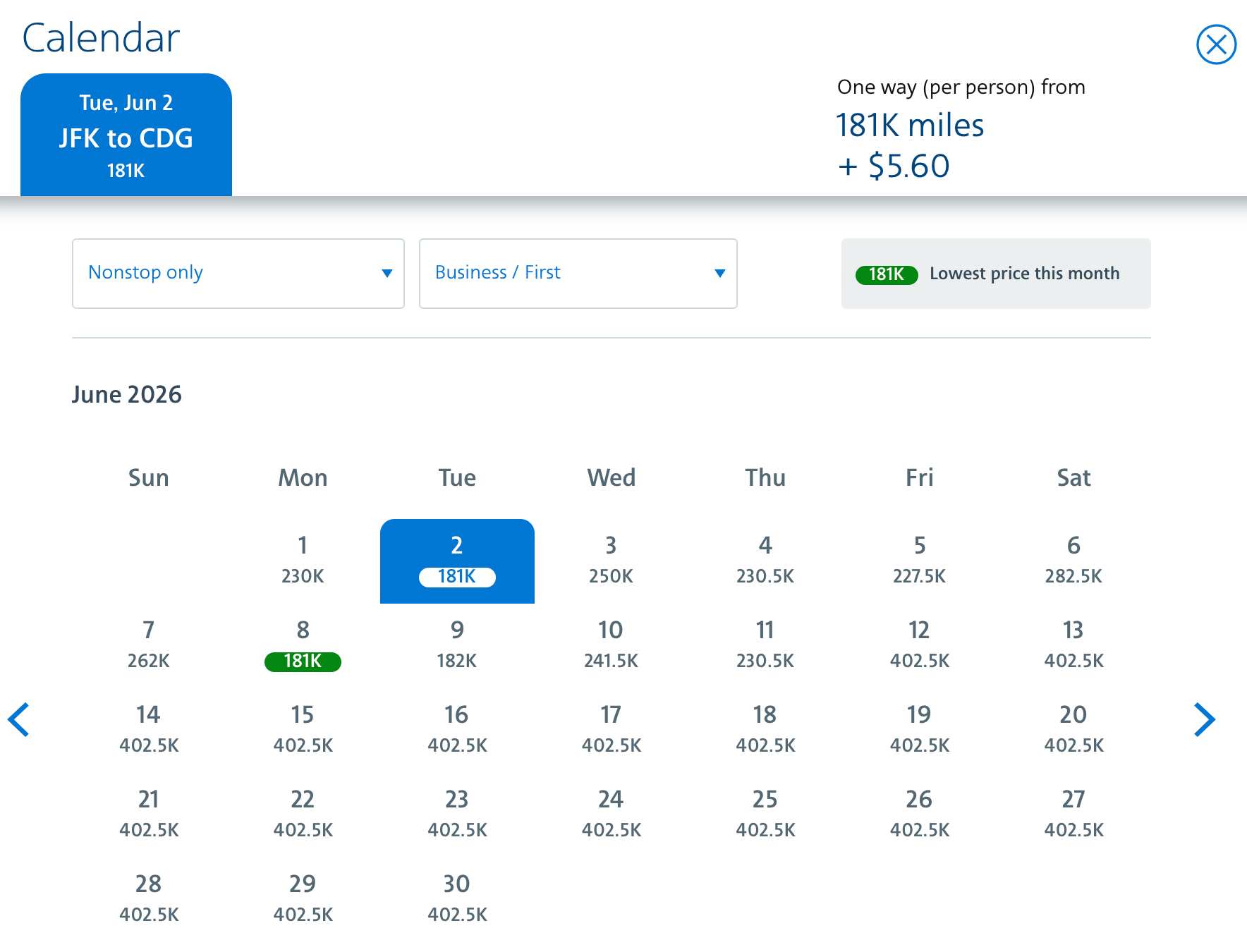
This fluctuation is due to American Airlines pricing based on anticipated demand for cash tickets, with costs typically higher on weekends or during holidays and breaks.
Dynamic pricing in hotel programs
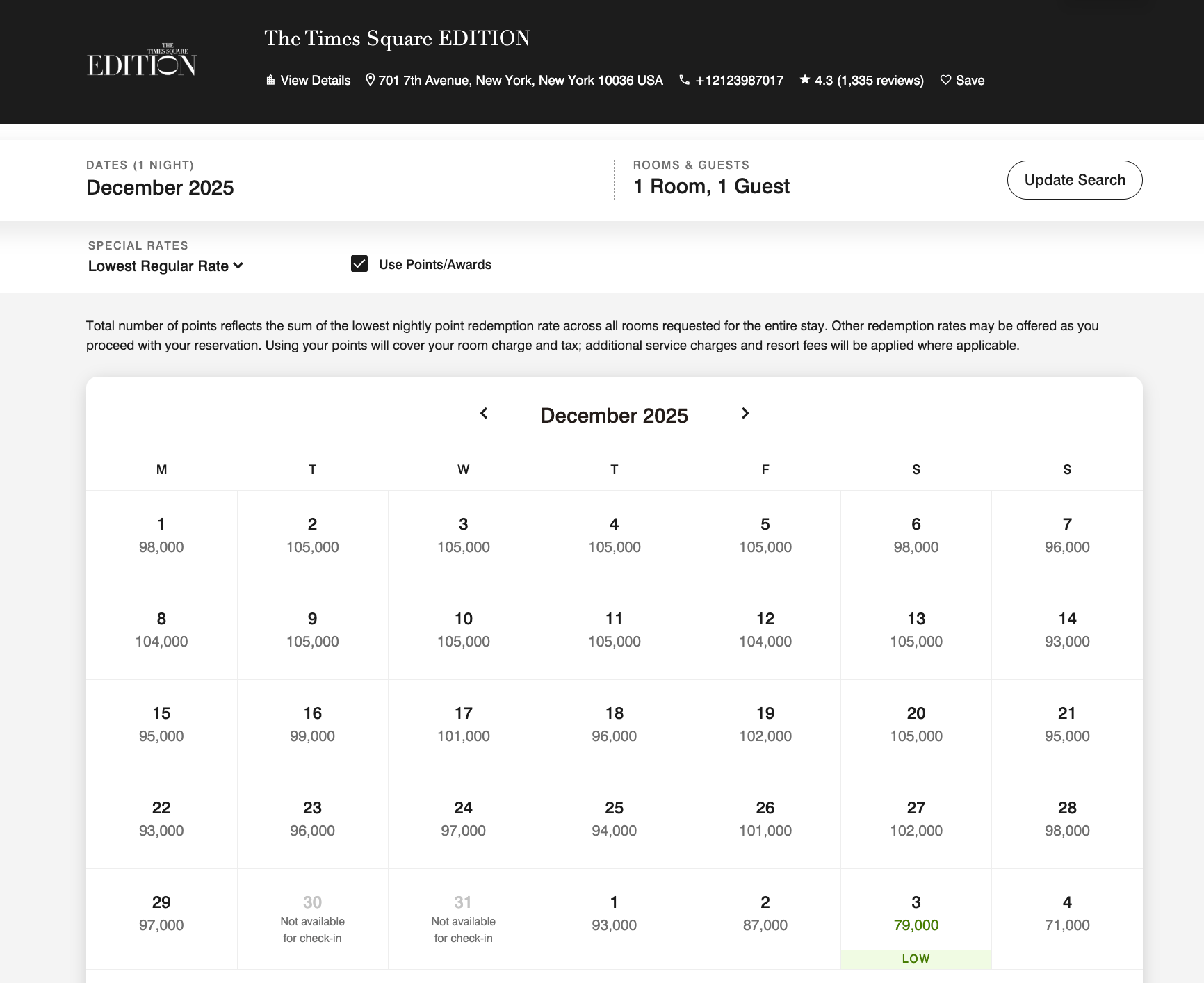
Several major hotel loyalty programs utilize dynamic pricing. For example, in New York City during the festive December holiday period, booking The Times Square Edition with Marriott Bonvoy points can cost around 100,000 points per night leading up to Christmas. In contrast, prices can drop sharply to about 71,000 points in early January, after the holiday rush.
Which programs still use award charts?
Many airline loyalty programs continue to maintain award charts, generally using distance-based or zone-based frameworks.
Distance-based charts categorize flights into bands, where the price is determined by distance and class. For instance, flights under 1,000 miles might cost 10,000 miles, whereas those between 1,001 and 2,000 miles may cost 15,000 miles.
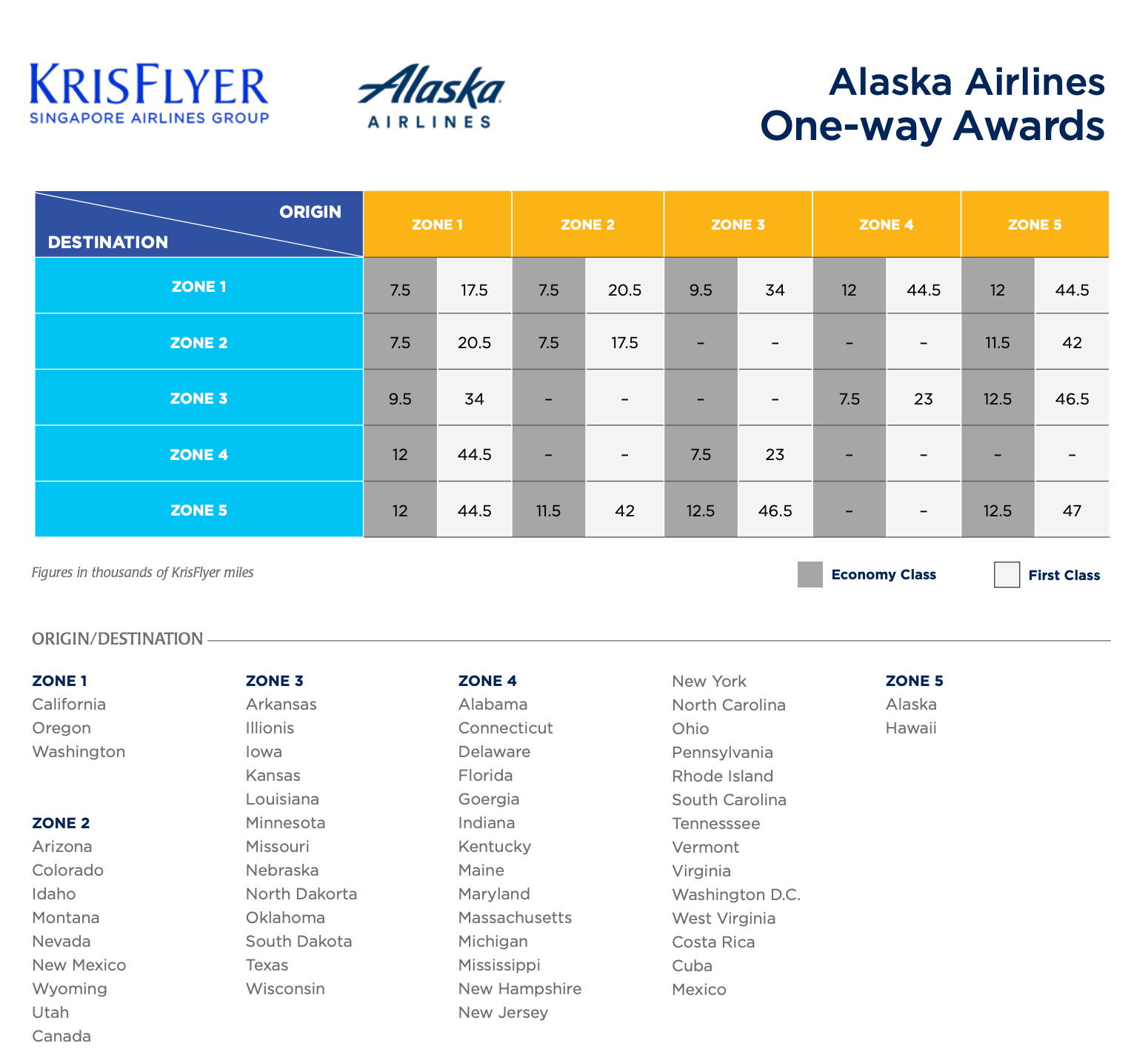
Zone-based charts allow travel between zones at a defined price. So a flight from Boston to Dublin would cost the same as one from Los Angeles to Athens, enabling travelers to maximize their points by selecting longer flights within those zones.
On the hotel end, World of Hyatt retains award charts, categorizing properties from Category 1 to 8, though categories can be updated periodically. This provides a clear goal for members aiming to accumulate enough points for their travels.
Even with published award charts, there may still be fluctuations due to peak/off-peak pricing, with higher costs during busier periods. Some programs limit inventory for the lowest-priced awards, providing more options at higher levels as demand increases.
Generally, with published award charts, members know exactly what they will need for their next redemption, assuming availability.
How to navigate dynamic pricing
To avoid surprises when searching for award flights or hotel stays, consider these strategies:
- Check partner pricing for potentially fixed rates if booking with a partner airline.
- Book through a partner program instead.
- Opt for shoulder season flights.
- Look for redemption specials.
- Utilize credit card or elite status perks for potential discounts.
For instance, many Delta Air Lines American Express cards offer discounts on Delta-operated award tickets, while United Airlines credit cards provide expanded award availability benefits.
Bottom line
Many airline and hotel loyalty programs have shifted towards dynamic pricing, meaning award costs can fluctuate daily — sometimes considerably. This can lead to surprises when a desired flight or hotel night suddenly costs much more than expected. While there are still deals to be found, especially during off-peak times, planning for peak holiday travel can lead to significantly higher charges.
By familiarizing yourself with this pricing model and learning how to navigate it, you can maximize the value of your travel rewards.